
Albie

This grant is offered by Reece’s Rainbow, for children in this specific country. Grant funds are dependent on available funding. For more information, email childinquiry@reecesrainbow.org ***
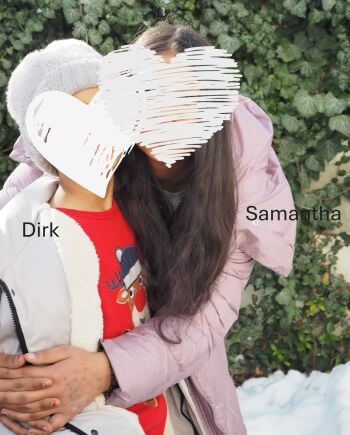
Dirk and Samantha #
Grant funds depend on available funding; the link above, shows the current available amount. To inquire about this child, email childinquiry@reecesrainbow.org ***
Samantha (14) and her younger brother Dirk (6) share a special bond and are hoping to find a loving forever family together.
Samantha is a thoughtful and friendly girl who enjoys reading books, listening to music, and spending time with friends. She is doing well in school and has a warm, sociable personality.
Dirk is an energetic and playful little boy who loves riding his bike, drawing, doing puzzles, and playing outside. He has a great imagination and dreams of becoming a policeman one day.
Both children have a positive attitude toward adoption and are hopeful about finding a family who will welcome them both with love and support. Keeping these siblings together is very important to them, and they would thrive in a home where they can continue to grow side by side.
Phoebe
Amelia & Scarlett

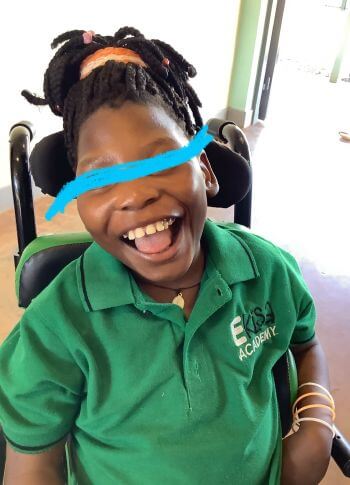
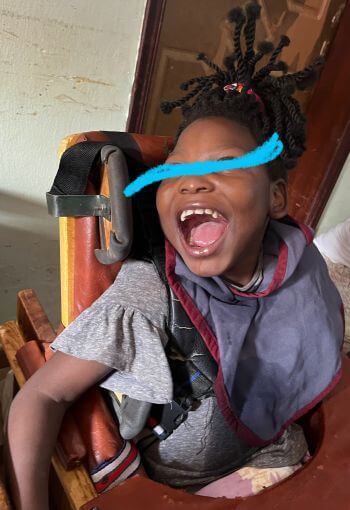
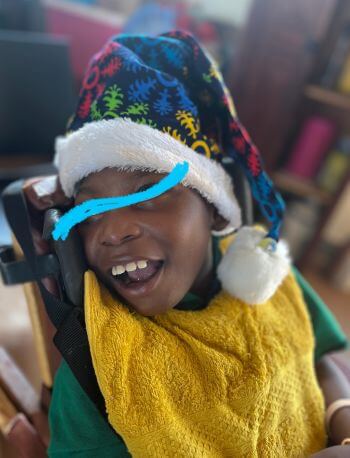
Amelia and Scarlett have been diagnosed with Sickle Cell Disease, which is currently managed with daily medication.
Bennett


Grant funds depend on available funding; the link above, shows the current available amount!
To inquire about this child, email childinquiry@reecesrainbow.org ***
He is fully mobile, can feed himself, and go to the bathroom independently. Bennett wears a helmet to protect his head. He has become fond of his helmet though because he can show off his headstand. You will often find him enjoying jumping on the trampoline, playing on the playground or going on a walk. He needs redirection often because he is always on the move. Although he is generally happy, he can get frustrated when people do not do what he wants to do or if he is being asked to do something he is not ready for.
Bennett’s favorite part of school is circle time because he likes to sing songs and answer ALL the questions even if his answer has nothing to do with what was asked. He understands and speaks English as well as his native language. He is known for reciting the four seasons in English quite well. At home, he loves to ask other people to dance and sing with him too. Bennett loves to make people smile!
Ethan Adrian #


Grant funds depend on available funding; the link above, shows the current available amount!
To inquire about this child, email childinquiry@reecesrainbow.org ***
With a familiar adult, Ethan has a good emotional tone – he enjoys a hide and seek game and sometimes gives his hand for “hello”.
He cannot walk yet, but he sits, crawls and staying straight caught for fixed support, showing progress in his motor skill development. The child has flat feet with valgus deviation of both feet – it was recommended to wear orthopedic shoes. Ethan stands up on his own until he is caught on a fixed support, stands on tiptoe, does not step aside, placed in a walker, moves short distances; pronounces long sound combinations.
A family met Ethan in late 2024 & would be willing to share their experiences with another inquiring family.
Morty #

Grant funds depend on available funding; the link above, shows the current available amount!
To inquire about this child, email childinquiry@reecesrainbow.org ***
Zander


Grant funds depend on available funding; the link above, shows the current available amount!
To inquire about this child, email childinquiry@reecesrainbow.org ***
While Zander enjoys school and has a good relationship with peers, he often experiences a lack of motivation regarding school. When faced when academic challenges he often gives up. Zander experiences sudden changes in his behavior, and his mood and disposition towards activities can vary from one moment to another. When he is in a good mood, he follows instructions and is respectful and obedient. Zander likes it when people invite him to participate in an activity. He is still learning to manage his impulses and frustration. Many times, when he does not get what he wants, he reacts inappropriately without measuring the consequences of his actions. Zander is not disrespectful towards authority figures, but it is hard for him to follow instructions and directions.
When interacting with other kids, at first he is shy due to the condition of his right hand, but once he feels comfortable he starts to interact with others. Sometimes he cannot get along well with peers due to comments he says that might be hurtful to others or because of bad behaviors to call for attention. Zander gets anxious when he wants to interact with a peer he likes. Playing with peers, watching TV, or playing on the computer makes him happy. He experiences sadness when people do not pay attention to what he is doing. He is scared of horror movies.
Zander enjoys sports such as swimming, basketball, and soccer. He also enjoys artistic activities such as dancing and singing. He is good at drawing and painting. Zander says he likes birds and dogs.
Arlen

Grant funds depend on available funding; the link above, shows the current available amount!
To inquire about this child, email childinquiry@reecesrainbow.org ***
Arlen and his four siblings came into care in 2022 due to being victims of multiple types of abuse in their family. Their parents were known to be drug users with emotional instability and aggressive behaviors between them. They were also verbally abusive toward the police and other authorities. Arlen is being placed for adoption as a single child.
As Arlen was never enrolled in school until he was taken into protective custody, he is in the first grade. He is familiar with some letters and numbers but cannot read or do simple arithmetic problems. He truly enjoys art class since he has great skills for doing crafts. He seeks adult validation in every activity he participates in. However, while he recognizes authority figures, he is defiant toward them and only obeys with some difficulty. Arlen usually gets along well with peers and adults; however, when he gets mad or frustrated, he begins to behave in a bad and aggressive way. He lies whenever he wants to avoid his responsibilities. He gets upset when he cannot do what he wants. His cognitive development is affected. Arlen has been diagnosed with ADHD, mild cognitive developmental delay, focalized epilepsy, and oppositional defiant disorder. He goes to occupational and psychiatric therapy, and also takes daily medication. There are no concerns regarding his motor and language development.
As mentioned, Arlen and his siblings were subjected to multiple types of abuse. It has been reported by his teachers that in addition to being aggressive toward other children in the class. Though Arlen can verbally express his feelings and emotions, he has a hard time managing them. He gets easily frustrated and has trouble finishing any given task. He is afraid of the dark and of being alone. Arlen gets anxious when he consumes sugary foods, and he also gets anxious when an outing is going to happen soon. He goes to bed around 8 pm but takes a long time to fall asleep.
Even though Arlen has been known to be aggressive toward others, his child study also reports he usually gets along with adults, peers, younger children and animals. Arlen is not shy when meeting people; it is easy for him to take the initiative to start a conversation with anybody. He likes to take the lead in any game. Arlen can be affectionate toward those he knows and is comfortable with. He likes to maintain good hygiene habits and takes care of his personal belongings.
Arlen is very active during the day. He loves to go to the park and to play soccer with friends. Arlen is interested in any outdoor recreational activity; he loves to do physical exercise. He has stated that he is good at swimming. Arlen has stated that he would love to get married and have kids. He does not want to go to college but would like to work handling heavy machines. He is open to being adopted by any type of family.
Hendrix and Kody #


Grant funds depend on available funding; the link above, shows the current available amount!
To inquire about this child, email childinquiry@reecesrainbow.org ***
Kody: prematurity; attachment disorder – disinhibited type, in a child with low stimulation
Olivia, Maya, and Leo

Grant funds depend on available funding; the link above, shows the current available amount!
To inquire about this child, email childinquiry@reecesrainbow.org ***
Sibling group of 3 from Eastern Europe – Girl born July 2008, Girl born January 2010, and Boy born September 2016
The 17 year old girl is described as healthy and she lives with her brother and sister. She is studying at a vocational training center for the service business as a hairdresser. She attends a boxing club. She is independent, good at all household chores, tidy, responsible, friendly and sensitive. She has good relations with her brother and sister. She helps her brother with his homework, making the bed, dressing, washing the dishes. She gets along with peers and adults and is good-natured. She loves sincerity and a smile and has compassion for others. She is respectful to adults and has well-developed social skills. She enjoys reading, listening to music, surfing social networks and cooking.
The 15 year old girl is described as healthy. She also helps her younger brother with housework, making the bed, getting dressed and washing the dishes. She is attending gymnasium, is a good student and is responsible for her studies. She is friends with the children in her class and has good relations with most of the teachers. Sometimes conflicts arise because she does not know how to take comments. She takes remarks as personal insults. She tries to get along with the children and staff and knows how to speak politely. However, she often talks back and objects to everything. She is independent and does all household chores well. However, she is often lazy and procrastinates. She likes to listen to music and surf social networks.
The 9 year old boy is described as healthy, is a student at a main school and is studying well. He reads well and recites a poem with intonation. He does well in mathematics and likes counting problems. The boy lives with his sisters. He has easy contact with peers and adults, is willing to communicate and seeks attention. He reacts hostilely to comments, is capricious, stubborn and impatient. He can become quick to get angry if things go wrong. He is communicative, does not get scared in new environments, and has courage to communicate with people. He likes to show his affection to close people, to cuddle and hug. He is mobile and active. He likes to move around, to ride his bike, to play various outdoor games, and to be the center of attention. He likes to draw, watch cartoons and play computer games. He often needs to limit time spent on the computer. He likes to help adults in the kitchen to cook and is willing to take part in various household chores to the best of his ability.
The children want to live with their siblings in a family and be adopted together.
Ethan and Zariah
Grant funds depend on available funding; the link above, shows the current available amount!
To inquire about this child, email childinquiry@reecesrainbow.org ***
Special needs: pulmonary artery stenosis, tetralogy of fallot, developmental disorder, speech delay, acute malnutrition.
Zariah is 11 years old. She is a quiet and kind-hearted girl. She plays well with other children. She is developmentally delayed and will need help to reach her potential. She wants to be adopted.
Special needs: developmental disorder, speech delay.
Kevin
Simon

—————————————————–
Simon is a very sweet little boy who currently lives with several older girls and is the last remaining “baby” in his home. He cannot speak, but does communicate through facial expressions and some noises.
A traveling family met Simon and said, “Within the three days we spent at the orphanage, we were able to bond with him to the point he would smile and get excited when he saw us. The older girls told us he can understand what they say to him. He enjoys being held and carried around, but spends most of his day sitting in a baby walker or high chair. He seems very easy going, as we didn’t see him complain about being put in his crib for nap time, etc. The caregivers are working on his motor skills. He can eat with assistance and enjoyed the ice cream we brought! It’s so easy to fall in love with this little boy! We are praying his family sees him soon!”
Simon has spastic quadriplegic cerebral palsy and has had seizures. He takes 30 mg of Phenobarbital once a day. Simon has mild hearing loss of the left ear. Therapy has helped lessen the spasm and Simon can open and close his hands. Simon loves being around people and making faces! When praying before meals, he bows down his head and says “ahh” when everyone says “Amen.” We’re hoping a wonderful loving family comes forward for this special little boy! There is a $500 agency grant for Simon’s adoption with his adoption agency.
Miriam

Serene

She has regular evaluation with a developmental pediatrician and regular check-ups with pediatric neurologist, ped gastro enterologist and nutrition specialist. She regularly attends physical and occupational therapy once a week and homebased therapy is continuously being provided by the houseparent as per instruction from the therapist.
There is a $500 agency fee reduction for Serene’s adoption with the listing adoption agency. Additional agency fees may be available with that agency, based on the adoptive family’s circumstances.
Serene needs a family with an approved home study to be able to adopt her.
Kevin

Developmental Evaluation: mild to moderate delays in the gross motor, fine motor-adaptive, language and personal– social skills
The agency has pictures available for seriously inquiring families — Kevin is ADORABLE!
Kevin is an adorable and friendly boy who can confidently play with familiar children the neighborhood. Kevin hums when he hears music or when he is watching television. He enjoys watching nursery rhymes on YouTube. Kevin is diagnosed with autism and with global developmental delays that include language and cognitive impairments. He also has microcephaly and an absent sagittal suture. Kevin has mild to moderate gross motor, fine motor (adaptive), language, and social skills. We’re hoping there is a special family out there for this precious boy! Could that family be yours?
Nolan

SEPTEMBER 2023 UPDATE:
Nolan can walk by himself. He enjoys walking around the center, engaging everyone, or just checking out what is happening around him. He enjoys morning and afternoon walks with his caregivers. He loves to look at himself in front of the mirror. He dances when he wants what he is watching while on the sofa. His caregivers assist and let him practice going up and down the stairs. There are times he prefers to be carried and hugged. He enjoys closeness and physical touch. He is sociable and plays on the trampoline with other children. Nolan pays attention to social stimulation and imitates some actions. He is currently attending occupational and speech therapies, which has greatly helped him improve his skills. He can now hold toys and put blocks on top of one another. Nolan likes everyone in the center and loves it when visitors come around. He does not display stranger anxiety. He still does not use words, but shows his excitement by laughing and shouting “ha ha ha” in a loud exaggerated voice similar to how Santa would say “Ho ho ho.” Nolan eats solid foods such as rice, meat, and vegetables that are cut into small pieces. He likes biscuits, yakult, plain bread, and yogurt as snacks. Nolan is becoming better at expressing what he wants. He points out stuff and says, “ah ah ah” when he wants to hold something. He is cooperative with his houseparents and caregivers during his morning and evening care routine when taking a bath and getting dressed. Nolan is loved by everyone at the child caring agency, but they are praying that he will be placed in a permanent family. He has a lot of unique needs that will require special attention, financial resources, good medical specialists, and commitment of parents. He might have delays in development, but having the presence of a loving family will be of great benefit to him in reaching his full potential. He shows signs of being able to learn and improve with dedicated staff taking one-on-one time with him each day. Nolan’s agency believes that he will bring so much joy to a family and he will teach them how to love deeply.
—————————————————————————
Nolan was found to have multiple congenital anomalies. Kleefstra Syndrome is to be considered. He was diagnosed as having global developmental delays and has mild hearing loss of the left ear and moderate hearing loss of the right ear. Nolan is being fed through a Percutaneous Endoscopic Gastrostomy (PEG) tube. However, his caregiver sometimes tries to feed him orally with infant cereal or yogurt, which he enjoys. Nolan is undergoing physical therapy and can pull himself up by holding the rails of his crib. He can sit by himself in his crib for a maximum of 30 minutes. He can stand with support and can move his legs freely. Nolan can walk approximately 100 steps with assistance. He can stretch his arms and hands to reach toys or any object near his crib. He loves playing with toys, such as rattles, that produce sound. Nolan responds when his name is called, and he can convey his needs through different tones when he cries or babbles. Nolan smiles, laughs, and babbles when talked to. He loves to be cuddled and played with! Despite his medical needs, Nolan is not demanding and is easy to care for.
A traveling family that met Nolan said, “We’ve met this child and he is the BEST cuddler! He hardly ever cries and loves to walk while holding your hands. He laughs hard when you talk loudly into his ear, and he loves cartoons that sing! We were with him for a whole summer and would be happy to share more info and pictures!”
We hope just the right family comes forward for Nolan!
Isabella
She recognizes the familiar people from strangers, and she reacts to her name. Her active speech is delayed – she doesn’t speak full sentences yet but she can say a simple words. She actively participates in the group activities and also can initiate games by choosing some toys. Motor skills are delayed – lack of age-appropriate skills, but she is learning every day. She is very active and her behavior is described as high hyperactivity with anxiety. She is able to understand and follow the instructions; she is doing with in a group with other children. She is learning to put on shoes independently. She can eat some food without help if it is sliced to small pieces.
Recent visit Feb.2026: Isabella is a very promising child. She has undergone cardiac surgery. It was not possible to test her hearing, but she functions normally. Despite her heart problems, she never had blue lips or excessive fatigue.
Her currently weight is 12 kg. She communicates verbally very well and is able to express her needs and emotions. She still uses diapers but she is in the potty training. She is a very active child, but not hyperactive. She functions well one-on-one. She has two favorite friends at the orphanage. She likes to play with other children and does not exhibit any aggressive behavior.
She is a picky eater, but she likes to try new flavors (she recently enjoyed olives). She sleeps throughout the night. She sometimes takes naps during the day. She likes to do puzzles (30 pieces) and “read” the books. She is a girl who likes to dress nicely and has a pretty hairstyle.
Sienna
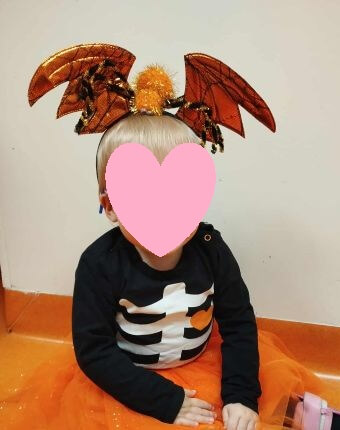
Sienna has a speech delay, although she has recently been eagerly repeating and saying words on her own. Some words are difficult to understand, but progress in speech development is evident. The girl also has difficulty understanding speech, but here too, progress is visible. She understands simple words, especially when they are supported by gestures. The girl can be engaged in a simple form of “dialogue” through play such as sharing toys. She is learning how to draw and eat independently using the spoon. She is able to pick up food cut into smaller pieces and put it in her mouth, although she does so slowly and uncertainly. She has difficulty biting off solid food and chewing it.
Sienna is a very cheerful and smiling child. She is speaking more and more – she can use many basic words, such as “give,” “more,” “come,” “yes,” “no,” “auntie,” and “hello.” She uses them in appropriate situations to express her needs and emotions. She recognizes various animals and can imitate most of their sounds.
Sienna to cuddle and read books. She participates enthusiastically in the group activities and enjoys walks. She responds to smiles, touch, and the voice of her caregivers. The girl has recently made significant progress in her emotional and social development. She is also able to initiate contact – she waves her hands in greeting, says “hello” in her own way, or responds with simple vocalizations. She is able to express her dissatisfaction, joy, or excitement and her progress is getting better and better in many areas.
Dakota and Robin
Grant funds depend on available funding; the link above, shows the current available amount!
To inquire about this child, email childinquiry@reecesrainbow.org ***
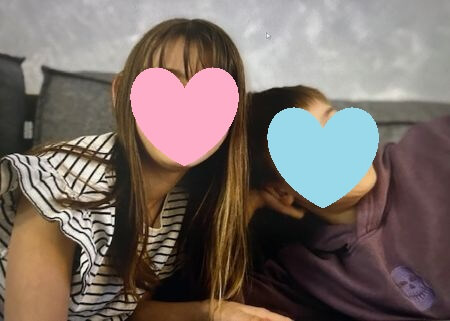
He is physically fit and eagerly participates in all activities: bike trips, swimming, and bowling. He is a very bright boy and has no behavioral issues. He has a very good manners and rich vocabulary. He is a student of the 4th grade this year. He made a good progress at school and his motivation just visibly increased. The boy attended remedial classes at the clinic, made great progress in education, and his motivation to learn at school has visibly increased. He is good with writing, can solve the math problem and has difficulties with memorization. He feels good of being an “expert”, then he can be very involved and eager to act. He is polite and helpful at the place he lives, he treats the staff with respect, and he has an empathy toward young kids. He has many friends who appreciate his sensitivity and empathy, as well as his sense of humor.
Robin’s joy and carefree nature are sometimes overshadowed by a longing for someone close to him, for whom he would be important and special. He hides his emotions behind a tough exterior, but inside he is fragile and delicate. He lacks love and affection, which he compensates by hugging his teachers when he greets them.
Dakota: FAS suspected, microcephaly, facial dysmorphia, low weight, history of trauma and neglect
Dakota is a healthy, charming and cheerful girl. She is open and kind and eager to play with her peers. She is in the first grade this year. She has a vision impairment and wears glasses: -0.75 in both eyes. According to her teachers, she can be forgetful, has problem with concentration and needs to be motivated. However, she is eager to learn, work fast, she and is active in class. She is very artistic, likes to sing and dance. Often, she will come up with ideas of choreography, grab the microphone, and sing.
Dakota has an age-appropriate knowledge about the world around her, but her cognitive development is below average. She also struggles with math, and her results are lower than normal. She was tested for FAS and according to her pediatrician, she doesn’t meet the criteria for FASD. She is underweight, has microcephaly, and moderate facial dysmorphia.
For some time, the siblings were placed in two different institutions but since January 2026 they have lived at the same place. They are very close and Robin cares about his sister a lot. Since this year, they have been in the same institution. They are very close. Robin is a caring brother to Dakota.
The caregiver describes them as a very good and unique children. The brother is very mature for his age. They are both eager for being adopted. The boy has a plan in his head of what he wants to do with his new family, and his sister is dreaming of a good family who will love her. They want to be adopted together.
Irio and Hamilton #

Grant funds depend on available funding; the link above, shows the current available amount. To inquire about this child, email childinquiry@reecesrainbow.org ***
The brothers have been in foster care for many years now and they are such great kids. They want to have a family and to be together as brothers. Next year, because the older one will become 14 in the summer, they will have to move to another town because of his school. There are no options for foster families there and they will have to go to an institution. The social worker is very hopeful this won’t need to happen and that they will be adopted instead.
IRIO – He is social and communicative. He easily makes new friends. In most cases his relationships with the children and the adults are good. According to the foster parents, he communicates well with the children and the adults. They describe him as a well-mannered child, who can assess different situations and adjust his behavior with them. He is aware that there are many social roles in society, which warrant a certain behavior. He participates adequately in the games of his peers. He can follow the instructions and the rules. He prefers games with physical activity, but he can participate in some role plays, too, and symbolic games (he gets into the role of a policeman or a criminal). He seeks the attention of the other children. He enjoys drawing, riding his bicycle, and games with a ball and other sport games. He only likes to be alone if he is using the computer. He fits in well among his peers.
HAMILTON – The boy is calm, observant, and curious about the surrounding world. He is attached to his brother, who is placed in the same foster family. Together they take care of each other, communicate, and play. He talks about his biological family calmly and talks about how they used to live. He did not like the conditions in his home then. He is attached to the foster family, their children, and their grandchild. It is hard for him to accept the pain of others and is always ready to help. When in conflict situations he defends his opinion, he is stubborn. He follows the rules at home and at school. He sometimes presents himself with stubbornness, but he does not argue and is not aggressive. He has an idea of good and bad, and for punishment and justice. He shares his experiences with the foster family and respects them. In his free time, he enjoys watching movies, listening to music, and dancing.
Gustav
Sabrina
Grant funds depend on available funding; the link above, shows the current available amount. To inquire about this child, email childinquiry@reecesrainbow.org ***
She is an average student in the 7th grade this year and her educational difficulties are the result of no motivations and lack of stable conditions in her life in the biological home.
Sabina is in contact with her mother, but it is her mother who initiates these contacts and Sabina provides support for her mother. She expresses her willingness to be adopted. Outside of school, her interests are swimming lessons and English lessons. Reading is her main passion and she spend a lot of times with the books. She likes animals, dogs are her favorite pets and she wishes to have one.
She needs a stable and safe environment based on acceptance, understanding, love and emotional support. She has a great potential for proper development in her education. She wanted to be adopted and according to her caregivers, it will be a great opportunity for her to build a strong emotional bond and develop harmonically. She is highly recommended for adoption.
Stefi #


Grant funds depend on available funding; the link above, shows the current available amount!
To inquire about this child, email childinquiry@reecesrainbow.org ***
Phil and Annie #
Grant funds depend on available funding; the link above, shows the current available amount!
To inquire about this child, email childinquiry@reecesrainbow.org ***
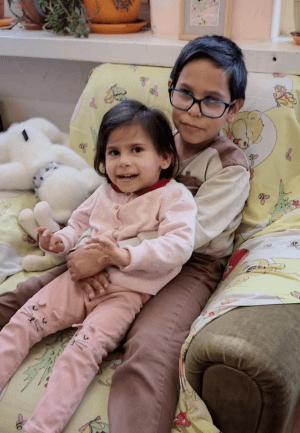
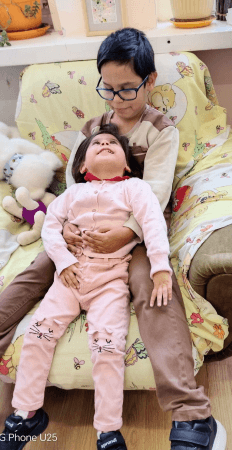
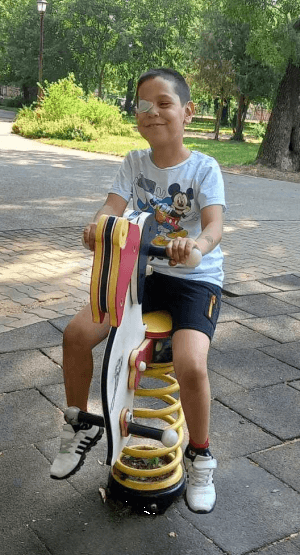
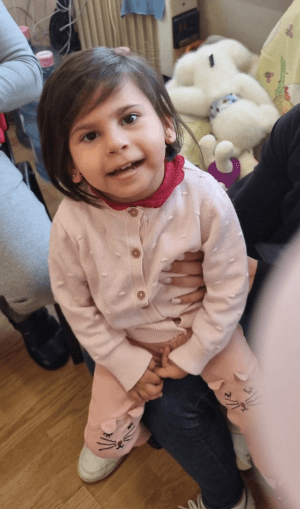
Annie’s medical history includes a neurological condition with early-onset epilepsy (seizures are currently well controlled with medication), a syndrome of congenital anomalies with predominantly facial involvement, microcephaly, strabismus, and global developmental delays (neurological and psychological). She can stand with support but does not yet walk independently and has limited coordination. She loves interacting with caregivers and is a very sweet little girl.
Dane #
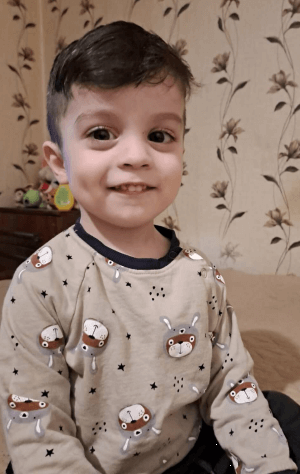
He demonstrates a global developmental delay affecting physical, cognitive, emotional, and social functioning. Physical development shows a mild delay: he sits independently, stands up on his own, and walks with hand support. Fine and gross motor skills are slightly delayed; muscle tone is adequate, and there are no musculoskeletal disorders.
Neurologically and behaviorally, Dane shows limited social engagement: he does not respond to his name, does not maintain eye contact, does not follow commands, and does not initiate interaction. Play is non-functional and stereotypical (e.g., spinning objects). He exhibits stereotyped behaviors and requires adult guidance for constructive play.
Expressive speech is absent, with only incomprehensible vocalizations and occasional syllables. Cognitive functioning, memory, and intellect are below age level, and higher mental activity cannot be reliably assessed due to age and developmental limitations.
Emotionally, he is generally calm, responds to positive and negative stimuli with a delayed reaction, and shows attachment through hugging familiar caregivers. He rarely expresses needs verbally and may become distressed when objects are taken away.
Axton #
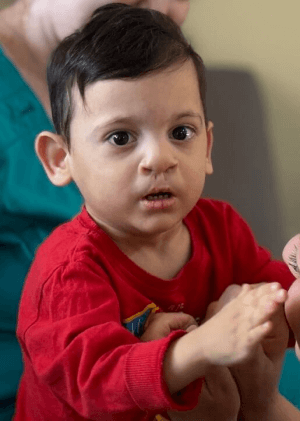
Axton moves around using a walker and is very active. He sits independently without support. His speech is in the process of development; he pronounces individual sounds and produces a variety of vocalizations.
Axton is cheerful and smiles often. He actively seeks the attention of adults and laughs out loud during playful interactions. He shows good adaptation to new environments and daily routines. Axton is calm and does not display self-aggressive behavior. He independently reaches for toys placed around him, taps them, and explores them with curiosity.
Axton is fed with a spoon by an adult while seated in a high chair. Efforts are being made to teach him to drink liquids from a cup. He falls asleep in a crib, and his sleep is calm.
Addy #

Update 1/2026
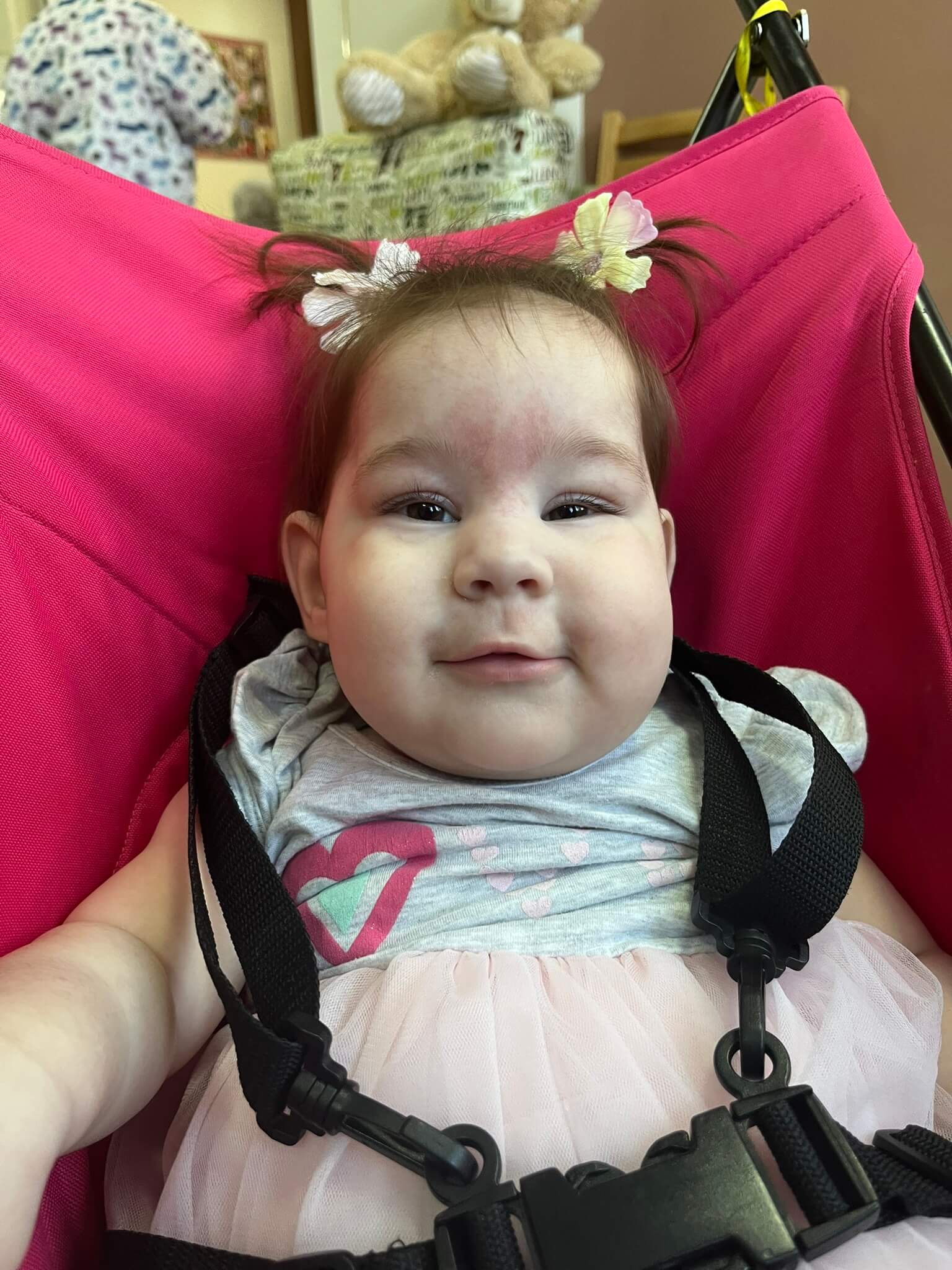
Anastasia is a calm, emotionally responsive 1-year-old child . She enjoys interaction with adults, tolerates touch well, and shows good eye contact. She often initiates contact by vocalizing, smiling, and reaching out to be held. She recognizes familiar people and responds positively to attention.
She is relatively active and moves both her arms and legs. She can hold her head in the midline while lying on her back and supports herself symmetrically on her elbows. She is not yet rolling over or sitting independently. Her fine motor skills include a present grasp reflex, good hand-to-hand and hand-to-mouth coordination, and the ability to purposefully grasp and hold a toy. When placed on her stomach, she extends her arms.
Anastasia has a diagnosis of polyformative syndrome with genetically confirmed Bardet-Biedl syndrome type 12. She was born from a first complicated pregnancy with prenatal tumor formation. Her birth weight was 3,200 g, and her current weight is 8,510 g. She has a good appetite and is fed by an adult, accepting food from a pacifier.
Mishka

Grant funds depend on available funding; the link above, shows the current available amount!
To inquire about this child, email childinquiry@reecesrainbow.org ***
Meet this sweet girl, Mishka, who is 11 years old. We chose the pseudo name Miskha because it means “gift of love.” Mishka may come across as shy at first, but she quickly warms up and you will learn that she is also approachable, friendly, polite, kind, compliant, and truly heart-meltingly sweet. Mishka loves to give gifts to others as a sign of love and affection as she displays her care through actions rather than words. For example, when the social worker gave her several chocolates in different wrappers, she kept only the duplicate designs for herself and generously gave one of each unique wrapper to a younger foster boy (age 9) in the home. Another example is that while beading bracelets with the social worker and the same younger child, with the rule that each person could make only one bracelet, Mishka quietly made hers for the little boy instead of keeping it for herself.
Mishka has been assessed with mild intellectual disability. She attends a special school that caters to students with mild intellectual developmental disorders. She enjoys school and behaves well there. She also shares a warm and positive relationship with her foster family. Mishka possesses good self-care skills and can communicate effectively in Cantonese with both adults and peers in everyday situations. However, she may find it challenging to understand or process conversations that involve more complex concepts.
Mishka enjoys stable health in general. She had withdrawal symptoms from narcotics at birth. Her urine toxicology test detected morphine, codeine, amphetamine and methamphetamine. Due to her intellectual disability, she is unable to comprehend the concept of adoption. However, she understands that the foster home is temporary and she has shown no resistance to arrangements for finding her a new home with parents. It is believed she has a deep longing for a permanent family.
(Mishka’s full profile is still being developed by the organization in charge of her adoption. It is forthcoming early next year, but if you are interested in receiving that information when it is available, please contact us.)
Ariel

Grant funds depend on available funding; the link above, shows the current available amount!
To inquire about this child, email childinquiry@reecesrainbow.org ***
At the time she came into care, Ariel was referred to physiotherapy, occupational therapy, and speech therapy due to her developmental needs in cognition, speech, social skills and fine motor skills. She was subsequently placed in a special school having been diagnosed with mild intellectual disability in November 2021, and she stayed in that school until June 2023. These measures helped her improve significantly, especially in the area of behavioral tendencies such as being fidgety, having outbursts and being jumpy. In fact, when her foster family moved and she started a new school in June 2023, she adjusted well and her teachers now say she is an above-average student, earning As and Bs in all her grades. While Ariel did have significant improvements in all her developmental areas, she still has some delays in each area. Physically, she can do everything she should, but she is slow when it comes to climbing and needs a handrail to go up and down stairs. She can ride a scooter, but at 11 years old, she still cannot ride a bike. She is able to take care of herself, and can write, draw and do crafts, but she does tend to make mistakes in her Chinese writing. She also tends to eat with a fork or spoon as she does not have the dexterity to use chopsticks effectively. She is also a quiet child who communicates in simple sentences and generally only speaks when spoken to, but she is able to express herself and carry conversations. Ariel does have visual diagnoses of amblyopia, hypermetropia and astigmatism for which she wears glasses and must attend follow-up appointments every six months.
While Ariel was suspected of having autism in 2021 and ADHD in 2023, after attending psychiatric appointments the diagnosis of ADHD was dismissed. The agency is inquiring if she was, in fact, diagnosed with autism as the paperwork is not clear on this matter.
Ariel is a quiet and cheerful girl who is well-attached to her foster family and enjoys going on outings with them. She is helpful in class and enjoys assisting her teacher with various tasks. She is introverted and tends to either play by herself with her special doll or other stuffed toys, or when she does play with others, it is usually with the other foster girl in her home. She enjoys watching videos or playing at the park.
Ariel will benefit from a family who can accept and help her with her mild intellectual disability and social skills challenges. Given her gentle temperament and cheerful nature, she would benefit from a warm, nurturing and stimulating environment where she can continue to receive therapy and receive special education.
UPDATED INFORMATION ON ARIEL!
The agency that sent us her information has received some updated information on Ariel and expects a thorough update January 2026. Please let us know if you are interested in adopting Ariel! (Prior “photo” clipart included for reference to old profile.)
Ariel is a very nurturing and cheerful 11-year-old girl who has been diagnosed with autism and mild intellectual disability as well as vision problems for which she wears glasses and receives follow-up care from ophthalmology. She is healthy overall and is noted to be emotionally stable.
A language barrier won’t be an issue with Ariel–she excels in language, especially English! She can communicate fully in English, including understanding instructions and writing. She follows the directions of her teachers, social workers and foster mother. While her autistic characteristics lead her to rarely initiate conversations and interactions with others, she responds to every interaction and question which makes her easy to bond with. She is emotionally stable and very rarely has tantrums, but when she does, she usually calms down within a few minutes. She is able to care for her own hygiene as well.
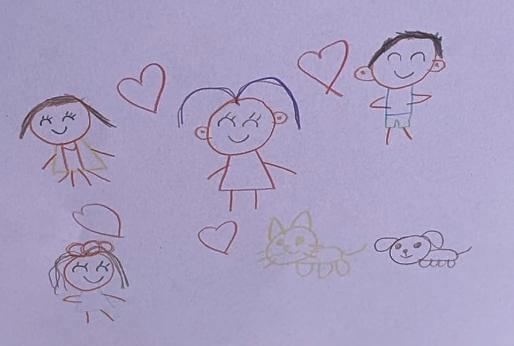
Ariel would benefit from a warm, nurturing environment that accommodates her communication challenges while encouraging her to express her opinions more confidently. She longs for family. When her social worker encouraged her to draw a home she likes, she drew a family with parents, a younger sister, cats, and a dog (see attached picture).
Yoshi
Yoshi was removed from his family at a young age, due to their lack of ability to provide adequate care. Yoshi presents with a complex medical profile requiring ongoing attention and care. His primary diagnoses include: Neurodevelopmental delay: affecting various areas of growth; Macrocephaly: disproportion of the skull/face and minor facial dysmorphisms; Muscular Hypotrophy: specifically noted in the lower extremities, though they are symmetrical; Growth Concerns: short stature and low weight, previously hospitalized for protein-calorie malnutrition; Expressive Language Disorder: significant difficulties in verbal communication; Cardiac Concerns: possible pulmonary valve insufficiency and mild tricuspid insufficiency (syndrome under study). He has a history of hospitalization for respiratory infections (pneumonia) and malnutrition but has stabilized under current care. He has no known allergies. His current medical regimen includes nutritional support. His vaccination schedule is up to date for his age.
Yoshi faces several developmental challenges. He exhibits a significant delay in verbal expression. His vocabulary is limited, and he struggles with pronunciation, articulation, and structuring sentences. He primarily uses gestures and short words to communicate. While he has shown improved mobility, he experiences difficulties with gross motor skills such as running, jumping, and climbing stairs. He exhibits generalized hypotonia and issues with balance and coordination. He has cognitive difficulties understanding complex instructions. He is currently working on sphincter control and still requires diapers. However, he is showing progress in independence, such as using a spoon during meals.
Despite his challenges, Yoshi possesses a warm and engaging personality. He is described as an active, affectionate, and receptive child. He shows a genuine interest in social interaction and engaging with the world around him. Yoshi has an adequate capacity to form bonds with significant adults and is progressively learning to interact with peers. He enjoys group play and is capable of sharing toys. He tends to express his emotions clearly through facial expressions and gestures. He thrives in environments where he feels emotionally secure.
Yoshi is a child with distinct likes and dislikes that help define his daily life: He has a strong preference for symbolic and construction games. He enjoys recreational activities, particularly playing ball, searching for elements, and visiting parks or rivers. He enjoys fruits such as bananas, watermelon, tangerines, and oranges. He dislikes pineapple and chopped papaya (though he accepts papaya in juice form). He benefits from a structured sleep routine, sleeping easily and restfully, which contributes positively to his mood and willingness to participate in daily activities.
Yoshi requires a parenting style that combines deep affection with structure. His ideal home will prioritize his medical and therapeutic needs—including ongoing nutritional support and developmental therapies—while providing an emotionally safe and orderly environment.
Isla, Finn, and Hazel

Grant funds depend on available funding; the link above, shows the current available amount!
To inquire about this child, email childinquiry@reecesrainbow.org ***
Sibling group of 3 in Eastern Europe- Girl born March 2011, Boy born March 2013, and Girl born March 2015
The children live together and have a close relationship. They all want to be adopted together and live in a family.
The 14 year old girl is described as healthy and attends middle school. She is disciplined and attentive during lessons. Her educational results are satisfactory. She needs the help of a social worker for her homework. She willingly participates in various activities, education, summer camps and trips organized by the school. She has friends and does not have any communication difficulties. She attends a class in the choreography department of the art school. She participates in competitions with a dance group. In the family home, she is friendly with all the children living there. She has a particularly close emotional bond with her brother and sister who live together. She is independent, able to take care of her seasonal clothing, and can cook simple meals. She spends her pocket money purposefully; appreciates the personal items she has bought and knows how to save. She takes care of her personal hygiene, cleanliness of clothes and tidiness of her personal room. In her free time, she plays computer games and goes out with friends. She has no behavioral problems and keeps her agreements with the staff. She always expresses her wishes and thoughts to the staff and attends psychological counselling as needed.
The 12 year old boy also attends a middle school and he has good academic results. He has difficulty concentrating during lessons and is therefore receiving medication. He attends a football club and is in his third year of playing football. He is active and enjoys various sporting activities. He always wants to be a leader. He always makes friends easily, expresses his opinion freely and wants to be listened to. He is friendly, cunning, clever, capricious and stubborn. He tries to avoid or circumvent rules in a way that suits him. He always notices his sisters, shows them his attention and is helpful. He is not inclined to give in, he always tries to get his way, to get the rules that suit him. He is willing to communicate with the staff or other professionals working in the family home. In his free time he plays football and computer games.
Diagnoses: Mixed behavioral and emotional disorders, attention deficit disorder, other tic disorders. He sees a child psychiatrist as needed and is prescribed medication.
The 10 year old girl is described as healthy and is in primary school. Her educational results are very good. Her behavior at school is good. She is active in lessons, extracurricular activities and is friendly with her classmates. She has many friends at school and at the ballet studio. She has no difficulties in communication and does not need help. She does her homework responsibly and asks for help from the staff when needed. She attends a ballet studio after school. She enjoys it very much and her results are excellent. She has won 1st, 2nd and 3rd prizes. She regularly takes part in various competitions with the ballet dance group. In the summer she participates in camps organized by the ballet studio. In her foster family home, she is friendly with all the children there. She has a particularly close emotional bond with her brother and sister who live together. The girl is helpful, hard-working, able to carry out tasks on her own (in line with her age) and knows how to handle money responsibly. In her spare time, she enjoys going out with her friends, playing on the computer, but most of all she likes dancing and drawing. She has no behavioral problems and keeps her agreements with the staff. She speaks openly with the staff, can express herself freely and is always listened to and understood.
Chance

Grant funds depend on available funding; the link above, shows the current available amount!
To inquire about this child, email childinquiry@reecesrainbow.org ***
Chance is an 11-year-old Asian boy who lives in a small group home for children with mild mental disabilities. At the age of 5, an intelligence test resulted in extremely low range leading to an ICD-10 diagnosis of Mild Intellectual Disability. He has also been diagnosed with autism and ADHD. Through therapy, Chance has become more tolerate to changes in his environment over time.
Taking his special needs into account, Chance is viewed as a smart boy with strong learning abilities. While it is believed that Chance will reach some level of independence, it is not known if he can reach full independence given his impulse control issues. Chance earned an A in “kindness” at his special needs school, showing he has an overall good temperament, but he lacks the ability to control his impulses which sometimes lead him to shove, hit or throw tantrums though it is not believed he intending to hurt others. It is noted that Chance longs for the one-on-one attention that is needed for him to continue to develop, but his current caregivers cannot give it to him. Due to his impulse control issues and his need for one-on-one attention, CHI recommends Chance be the only child or the youngest child by at least two years.
Isaac #


Grant funds depend on available funding; the link above, shows the current available amount!
To inquire about this child, email childinquiry@reecesrainbow.org ***
There is little reaction with toys and no playing when in his possession. Isaac is completely dependent on the help of the staff.
Condition after a brain hemorrhage. Cyst in the left cerebral hemisphere. Microcephaly. Spastic quadriparesis. Cryptorchidism. Anemic syndrome. Behind in his neuro-psychical development. When put on his belly or held, he keeps his head up. He slightly turns to one side but doesn’t turn independently from back to stomach and vice versa. He doesn’t try to sit up and doesn’t get up to a standing position. He doesn’t have good support in his legs. He starts after loud sound but doesn’t turn his head to the direction of the sound. He listens to the speech of adults. He doesn’t look at an adult leaning over him. He doesn’t follow with a look moving objects or people. He reacts to touch. He is calm and doesn’t cry without reason. He reacts positively to interactions and laughs loud. Photos and videos from June 2015 are available through the agency.
Bowen #


Bowen lags behind in all aspects of his development. He makes sounds, but does not have any functional communication. He does not appear to understand what is said to him. He does respond positively to touch at times. His report indicates that he has difficulty accepting any type of change in his environment.
Everly

Everly is an adorable little girl with a bright smile. Everly was born prematurely, and has several special needs. She loves bath time. She also loves affection. Everly is continuing to grow and develop. We hope a loving family sees her while she is so young.
Videos available!
Violet and Daniel #


Grant funds depend on available funding; the link above, shows the current available amount. To inquire about this child, email childinquiry@reecesrainbow.org ***
Violet, 15, and Daniel, 13, are wonderful siblings who share a close bond and bring out the best in each other. Violet is thoughtful, kind, and enjoys writing, dancing, and participating in games. Daniel is lively, sociable, and passionate about sports, with a big dream of becoming a professional wrestler.
Both children are independent, responsible, and emotionally aware, able to manage their behavior and maintain friendships. They enjoy hobbies that keep them active and engaged, from board games to competitive play.
Violet and Daniel are looking for a safe and loving family who will support their dreams, nurture their talents, and provide guidance as they grow. These amazing siblings are ready to bring love, laughter, and warmth to a forever home—together.
Yanna

Grant funds depend on available funding; the link above, shows the current available amount. To inquire about this child, email childinquiry@reecesrainbow.org ***
Yanna is a 13-year-old girl who has shown resilience and adaptability despite a history of neglect and various types of abuse in her early childhood. With the help of therapy, Yanna now demonstrates emotional stability, responsibility, and motivation to continue improving. When reading her full child profile, it is clear that this young lady has put a lot of thought into her past and into her future, including what she hopes for in an adoptive family. Yanna is a clinically healthy young lady, but will need to continue therapy to help her work through her past and to transition into a family.
Academically, Yanna is an excellent eight-grade student. Her teachers describe her as intelligent, punctual, and committed to her studies, showing solid performance and a genuine interest in learning. She enjoys school and maintains positive relationships with her classmates and teachers. Emotionally, Yanna can be reserved at first but gradually builds trust and close relationships with those around her. She can express affection and empathy, especially toward younger children. She is currently receiving psychological support to continue strengthening her emotional regulation and communication skills.
Yanna enjoys listening to music—particularly reggaeton, bachata, and rap, watching movies and tv series, making bracelets, and spending time with her friends. She dreams of completing her education and one day becoming an actress. She understands that her current stay in the institution is temporary and hopes to find a permanent family that will offer her affection, stability, and protection. Yanna has expressed her wish for a family that values communication, patience, and mutual respect, ideally without other children so she can receive focused attention and guidance. She was previously matched with a family for international adoption, but the family and Yanna were not a good fit for each other. She would prefer a family who is relatively young given her previous experience with a potential family. She does not have a preference for whether she has married parents or a single mother.
In summary, Yanna is a bright, affectionate, and reflective adolescent who would thrive in a loving, consistent family environment capable of supporting her emotional growth and providing a sense of belonging and security.
Griffin

Boy born March 2020 in Eastern Europe
This young boy has been living with a foster family for more than 12 months. During this time, very positive developmental changes have been observed in every area: objections have been replaced by agreements; negative behavior towards other children by friendship and agreements; distraction during tasks (writing, drawing, chores, etc.) by concentration and interest. In kindergarten, the boy sometimes completes tasks from start to finish without the help of an assistant. Hysterical fits have been replaced by emotion management and the ability to find out why he is angry (by asking questions and communicating). The boy’s speech has also become more coherent and his vocabulary richer. However, speech therapy sessions are still needed and will be needed in the future. It is observed that he does not yet have a sense of self-care and does not feel full when eating.
He is completely restricted from screens (except in the educational institution) while living with the foster family. They have been observed to have a negative impact on the child’s emotional state. Spending even a small amount of time in front of any type of screen makes him very irritable and emotionally unstable. Toys that make loud, noisy noises, flickering lights (guns, robots, etc.) also make him emotionally unbalanced. He is mobile, enjoys sports and has been attending a football club since October 2024. He has severe special educational needs and needs support from a speech therapist, special educator, teacher‘s assistant and psychologist is very curious. He likes to travel, visit and socialize. He is independent and is learning to manage emotions. When calm, he can usually explain the reason for anger. Often keeps agreements. Establishes friendships with peers, has some ability to play common games. His favorite activity is building legos. He is diagnosed with post-traumatic stress disorder, which sometimes results in a regression in behaviour and emotions.
Diagnosed with mixed specific developmental disorder, post-traumatic stress disorder, unspecified behavioural disorder.
Libby

This sweet girl loves music, animation, musical toys, taking baths, being outdoors and riding in the stroller. She often plays in the playpen and ball pool. She likes to sit and play alone. She can sit, roll, clap her hands, tries to stand up on her own in the crib, struggles, but stands up holding onto the crib rails. She is spoon-fed and likes a variety of mashed food. She drinks well from a bottle and from a baby bottle. She takes a variety of toys in her hands and holds and plays with them. She likes dolls and has a favourite doll which she plays with nicely. She has attended rehabilitation services and physiotherapy and occupational therapy specialists work with her. She responds to being spoken to by her name and observes and makes eye contact.
Diagnosed with mixed specific developmental disorders, disorder of normal physiological development, congenital hypotonia (reduced muscle tone); bilateral unstable hip joint; specific motor development disorder, hypermetropia (farsightedness).
Taliyah
This precious child is calm, responds to being spoken to, smiles often and is interested in everything. She knows how to clap her hands, likes different musical toys, dolls, blocks, animation and radio. She is rolling in her bed and can sit up by herself. She has a gastrostomy but can eat mashed food from a spoon and drink liquids from a bottle. She sleeps soundly. The institution has medical staff working with her: nurses, nurses’ assistants, occupational therapist, physiotherapist and she gets massages.
Diagnosed with subarterial ventricular septal defect, multiple congenital malformations, not elsewhere classified, oter secondary pulmonary hypertension, atrioventricular block, complete, supraventricular tachycardia, congestive heart failure, mild to moderate intrathoracic asphyxia, neonatal cardiac arrhythmia, other neonatal feeding disturbances, cerebellar reduction abnormalities, secondary atrial septal defect, patent ductus arteriosus, congenital absence of umbilical artery, oesophageal atresia with tracheoesophageal fistula, unilateral renal agenesis, cardiac appliance, and specific motor development disorder. It should be noted that prospective adoptive parents should have the knowledge and skills to be able to provide the necessary assistance, as the girl needs nursing and care.
Kaylyn #

Vance, Shay, and Kole


Grant funds depend on available funding; the link above, shows the current available amount. To inquire about this child, email childinquiry@reecesrainbow.org ***
These three kind and joyful brothers share a close bond and long to be adopted together. Despite living in separate foster homes, they see each other often and treasure every moment spent playing, celebrating, and growing side by side. Kole is responsible and sociable, Shay is caring and thoughtful, and Vance is curious and full of wonder.
All three are healthy, independent in their routines, and eager to join a loving forever family where they can be reunited and thrive together.
William

Grant funds depend on available funding; the link above, shows the current available amount!
To inquire about this child, email childinquiry@reecesrainbow.org ***
William loves reading and many outdoor sport activities such as riding bicycle, scooter and playing soccer. He is a bright and adaptable child with a warm spirit, ready to thrive in a nurturing environment.
Due to his country’s matching process, families with a home study for any country can submit to be considered for William.
Court

Grant funds depend on available funding; the link above, shows the current available amount!
To inquire about this child, email childinquiry@reecesrainbow.org ***
After the relinquishment of the adoptive parents, Court settled in to an orphanage and its adjacent school. He became a “big brother” and role model among his co-residents at the orphanage and excelled academically and in sports at school. His emotions were generally stable while staying there. At the time of the report written in July 2025, he was preparing to be promoted to a mainstream school in September and had been moved to a small group home near the school after a successful interview with his social worker.
Court impressed his social worker as a smart, polite, articulate, level-headed, sensible and frank teenager on the day of visit. He was able to articulate his thoughts clearly and showed readiness to be adopted again. He has demonstrated diligence, maturity, and incredible inner strength and motivation over difficult circumstances in life. While he has developed many strengths and life skills throughout the journey, deep in his heart he still envisions a loving, stable and permanent home that he can call his own—a family where he can find rest, stability and peace through the highs and lows in life. Court expresses his wish to be adopted by a nurturing and loving family who understands his tangible and psychological needs. Surely, Court is in need of a strong, patient, well-informed, committed, and psychologically trained family who has the resources and knowledge for supporting his needs and dealing with his trauma.
Hunter

Grant funds depend on available funding; the link above, shows the current available amount!
To inquire about this child, email childinquiry@reecesrainbow.org ***
Hunter is a cheerful 10-year-old boy in need of a loving home capable of supporting him and his long-term needs. In 2018, Hunter was diagnosed with Coffin-Lowry Syndrome, a genetic disorder, with dysmorphic features including hypertelorism, depressed nasal bridge, thick lips, wide mouth, and broad tapering fingers. He also has developmental delay, profound sensorineural hearing loss, scoliosis, hyperopia and astigmatism, asthma, beta thalassemia trait, and short stature. He received a cochlear implant in his left ear in April 2020 and continues to use a hearing aid in his right ear. He is required to attend medical appointments at different specialties, including the Endocrine Clinic, Eye Clinic, Asthma Clinic, ENT, Prosthetic & Orthotic, Neurology Clinic, General Pediatrics, Hearing Aid Prescription and Spinal and Brace Clinic. His asthma has become stable in recent years and is prescribed medication if needed. He also has history of seizure but has been stable as well. Despite all of his long-term conditions, his health is generally stable and he does not take any regular medications.
Hunter is an active, pleasant, friendly and outgoing boy who always shows his smiles. He is an affectionate child who enjoys holding hands, cuddles and hugs from his familiar caregivers. Hunter currently does not have any speech; however, he can express himself by producing some vocal sounds, such as “er” or “ar” or through some simple gestures, such as pointing to things he is interested in or wants or through pictures and Quick Talker. He has received sign language training and learned to use body gestures to express himself. He can wave his hand to greet or to show refusal occasionally. Even with his limitations, Hunter shares a good relationship with the other children. He is generally calm, though he can get upset when he doesn’t get what he wants, but he is easily diverted and his frustration will resolve.
Though Hunter is slightly weaker in trunk control, shoulder stability, upper limb control, muscle tone, bilateral coordination, and motor planning, he can keep his balance while standing and walking. He can also walk up and down stairs by holding someone’s hand, run, and climb up and down as shared. In terms of fine motor skills, he has poor to fair finger strength, finger dexterity and bilateral coordination of both upper limbs. He has a fair to poor tripod and pincer grip in picking up small objects, and fair to poor performance in handwriting and manipulating scissors to cut a straight line. Being curious, Hunter likes exploring his environment and new things. He likes playing with building blocks, coloring, and watching TV and YouTube videos. He enjoys participating in activities at the orphanage.
Hunter needs a family who can help him continue in his development and who will be dedicated to his life-long needs.
Alan

Alan is amazing 10 years old boy who had a rough start with an unstable and unhealthy environment. He is the victim of parental physical abuse and suffers from post-traumatic past
He connects well with both peers and adults. He is calm, helpful and kind. The boy eagerly learns about nature, sings songs, makes interesting art works, uses computer programs well.
He needs a forever home to support him as he continues to overcome negative experiences of his past and shower him with the love every child deserves.
He has a lot of potentials and wants to be adopted. He is highly recommended by his caregivers. The family with an involved, hands-on father will be ideal for this boy. He would do really well as the youngest or only child (or in a family where the other children are grown). He needs an experienced adoptive family who can give him a lot of one-on-one attention and help build his trust in humanity back.
Ashton


NEW VIDEOS:
https://vimeo.com/maaspecialkids/maa-ashton3
https://vimeo.com/maaspecialkids/maa-ashton4
https://vimeo.com/maaspecialkids/maa-ashton05
Password: Adoptmaa
OLDER VIDEOS:
https://vimeo.com/maaspecialkids/maa-ashton1
https://vimeo.com/maaspecialkids/maa-ashton2
Password: Adoptmaa
Valeria

Grant funds depend on available funding; the link above, shows the current available amount!
To inquire about this child, email childinquiry@reecesrainbow.org ***
Update in 2025 states that she no longer has a feeding tube, and is doing really well!
Valeria was previously listed on Reece’s Rainbow as Marisol.



