Grant funds depend on available funding; the link above, shows the current available amount. To inquire about this child, email childinquiry@reecesrainbow.org ***


The agency has video available of Ferguson, as well!

The agency’s team met Elio in October of 2024, and they have additional information and videos!


Indy has significant developmental delays related to his medical history, particularly in his motor, communication, and cognitive development. He is an active crawler and can sit independently. He is beginning to pull himself to stand while holding onto furniture and has taken a few supported steps. He continues to need assistance with many age-appropriate daily activities.
Indy does not yet use words or consistently follow simple instructions, but he babbles and enjoys sound-based play. He is curious about his surroundings and shows interest in people and his environment, although his attention span during play is often brief. He can be somewhat cautious with unfamiliar people but warms up when approached gently.
Indy has a significant history of hydrocephalus and has required multiple neurosurgical procedures, including shunt placement and revisions. He continues to require follow-up with pediatric neurology and neurosurgery and ongoing developmental support. His medical team has recommended precautions to protect him from head injuries and certain types of physical activity.
Indy would benefit from a patient, loving family who can provide a stable home, advocate for his medical needs, and support his continued developmental progress. His recent records show encouraging progress, and he is a little boy who enjoys connection, attention, and being included in the activities around him.

Mason enjoys playing football, active games, and video games. He also likes keeping his personal space clean and organized and takes pride in choosing his clothes and looking his best.
Mason is curious and eager to learn. He does well at school and has age-appropriate intellectual development, although he benefits from clear instructions, encouragement, and support when he becomes frustrated or discouraged. Building trust is very important to Mason. He may be cautious with new people and needs time, consistency, and patience to feel safe and comfortable. Once trust is established, he is able to form meaningful relationships and express his emotions.
Mason would benefit from a loving and patient family who can provide consistency, reassurance, and a safe environment where he can build trust and develop a strong sense of belonging. He hopes to have a family who will accept him for who he is and provide the support and care he needs to thrive.

Kali is active and enjoys physical activities, music, outdoor play, and creative activities. She has a wonderful imagination and especially enjoys play-based and hands-on activities.
She is doing well with her daily routines and continues to develop her independence. At school, Kali benefits from additional support, clear instructions, and encouragement. She responds especially well to individual attention and positive reinforcement.
Kali enjoys building relationships with others and is described as caring and empathetic. She may need patience, reassurance, and emotional support as she adjusts to the idea of adoption.
Kali would benefit from a loving, patient family who can provide consistency, encouragement, and a supportive environment where she can continue to grow in confidence and independence.

Dolly can be a little shy and sometimes prefers to spend time on her own, but she enjoys connecting with others and has a positive attitude toward adoption. She enjoys learning and is able to write from dictation, although she works at a slower pace.
Dolly would benefit from a patient, loving family who can provide reassurance, encouragement, and a safe, supportive environment where she can continue to build confidence and thrive.


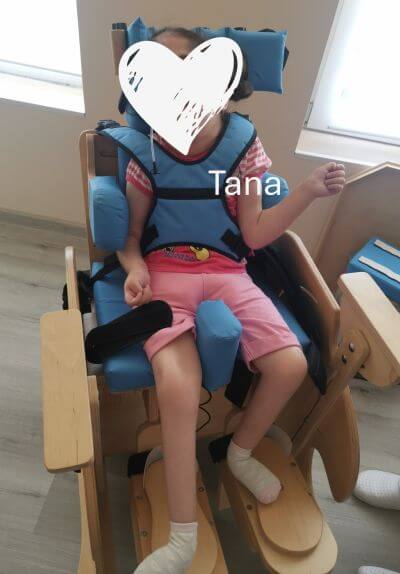
Although Tana does not communicate verbally or understand spoken language, she expresses herself in her own ways. She often smiles in response to gentle attention, may make soft vocalizations, and lets caregivers know when she is uncomfortable through quiet crying or facial expressions. She also responds positively to certain therapy exercises and enjoys the comfort of familiar, soothing music.
Tana will thrive in a family that is prepared to provide lifelong love, advocacy, and specialized medical care. She would benefit from caregivers who can celebrate the small but meaningful moments of connection that make her unique.

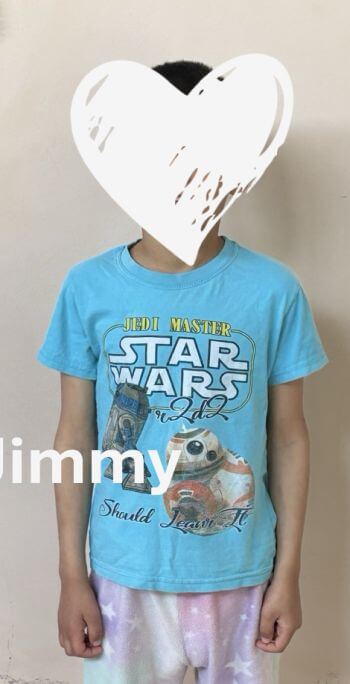
Jimmy has significant developmental and intellectual delays and requires assistance with most daily activities, including communication, self-care, and personal hygiene. He is nonverbal and communicates primarily through vocalizations, gestures, and his responses to familiar people and routines. While he does not actively seek out interaction with peers, he responds positively to consistent care, attention, and nurturing relationships.
Physically, Jimmy is healthy and has no motor impairments. He enjoys sensory experiences, including time in a dry pool, tactile activities, ball play, and jumping on a trampoline. He is curious about his surroundings and benefits from hands-on exploration and sensory-based activities.


Jandron was born 5 weeks prematurely to a 20-year-old mother into a highly vulnerable situation. At birth, he experienced respiratory distress syndrome, requiring mechanical ventilation. Jandron has ongoing medical diagnoses of moderate bronchopulmonary dysplasia and recurrent post-viral wheezing, making him dependent on supplemental oxygen. He also has epilepsy, mild encephalopathy, and horizontal nystagmus (involuntary eye movement). Jandron has a history of hospitalizations to treat seizures, bronchiolitis, and wheezing. To manage his health, he takes several daily medications.
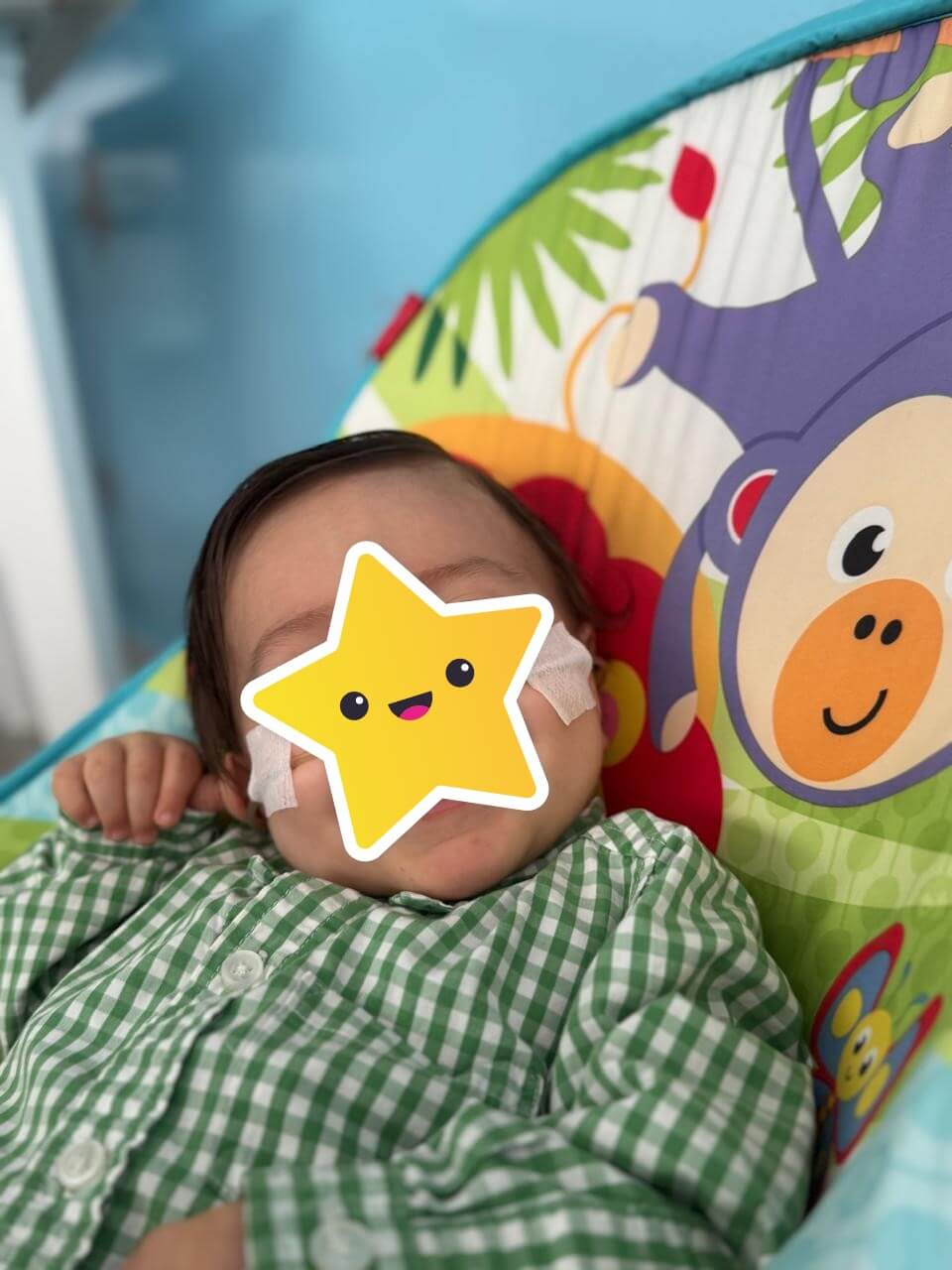
Even with his medical issues, Jandron shows beautiful developmental progress–not to mention a BEAUTIFUL smile under the sticker we had to place over his picture. He displays fluid and spontaneous movements of his arms and legs. While he has slight hypotonia (low muscle tone) in his trunk, he successfully rolls from his back to his stomach on his right side. He is also beginning to practice fine motor skills, occasionally using a pincer grip to explore the world around him. He is finding his voice, frequently emitting sweet vowel and syllabic sounds. His responses to auditory stimuli are becoming increasingly consistent. He is a curious observer. He pays close attention to his environment, shows great curiosity toward objects, and responds positively to simple stimuli. He makes wonderful eye contact with his caregivers and rewards them with warm smiles. As a 10-month-old infant with medical needs, he requires full assistance for all daily living and basic hygiene activities.
Jandron is a gentle child with a mostly calm and receptive temperament. Because of his young age and medical history, he relies entirely on his caregivers for emotional regulation. He clearly expresses his feelings, including showing displeasure, and communicates his basic needs through facial expressions and crying. He demonstrates a healthy, positive attachment style with his current caregivers. Jandron seeks connection and instantly calms down when given physical contact and comfort. His ability to connect, look into your eyes, and accept soothing touch shows a profound resilience and a readiness to bond with a permanent family.
While he is too young for traditional hobbies, he has clear preferences that highlight his unique personality. He is an attentive little boy who loves to watch the world around him. He shows a distinct interest in exploring objects with his hands and listening to the sounds in his environment. Above all, his favorite place to be is in the arms of someone who cares for him. He loves physical touch, gentle holding, and the reassurance of a loving voice. He needs a family that is highly sensitive to his medical diagnoses, but more importantly, a family that will cherish his smiles, celebrate his milestones, and offer him the safe, warm home he deeply deserves.

Rylee is clinically healthy and has good social and emotional skills. However, she has experienced trauma in her young life, including living on the streets for nearly a year after she escaped a care institution she had been placed in. It is unclear where she was during this time or what happened to her, but it is reported that there are no signs of significant emotional impact caused by this situation though she did make some resourceful choices during this time in order to protect herself.
Rylee presents as a girl with a good state of mind, functional social skills and a favorable disposition toward bonding and structured activities. She has expressed a desire for a heterosexual couple, preferably with children, to adopt her. Rylee has a heart for the vulnerable and those who have had to live on the street–and she expects others in her life to be respectful to people in this situation.

Ezekiel primary diagnoses include a genetic condition called Mosaic 1q21.1q22 duplication syndrome, microcephaly, and congenital hypotonia. He also has vision conditions, including optic atrophy and right convergent strabismus (a turned eye). A significant part of Ezekiel’s daily care revolves around his feeding. He has an infantile feeding and swallowing disorder. Because he cannot safely tolerate solid foods, he requires a specialized liquid and purée diet. He needs to eat while sitting at a 90-degree angle, offering thick textures and liquids from a spoon to protect his airway. Despite these challenges, his nutritional status is currently stable. He maintains a healthy weight for his height. He takes a daily iron supplement and actively participates in physical, occupational, and speech therapies. He will need ongoing care from a team of specialists, including genetics, gastroenterology, neuropediatrics, and ophthalmology.
Because of his genetic condition and low muscle tone, Ezekiel experiences significant global developmental delays. Although he is 18 months old chronologically, his developmental milestones currently align with those of a 5- to 6-month-old infant. He requires constant supervision and full support for all daily activities. His motor skills are slowly progressing with the help of his physical therapies, but his hypotonia affects his ability to move independently. His communication is primarily non-verbal, relying on expressions and sounds to connect with his caregivers. With consistent therapy and a structured environment, Ezekiel continues to show steady, beautiful progress at his own pace.
Ezekiel has a remarkably calm, happy, and gentle temperament. In his current foster home, he has formed strong, secure emotional bonds. He finds true refuge, acceptance, and security in the presence of the people who care for him. He manages his emotions well when he feels safe. Ezekiel thrives on physical affection and gentle reassurance. He shows a wonderful sense of confidence and relaxation when his trusted caregivers are nearby. He is an exploratory and willing child who embraces the world around him as long as he feels emotionally supported.
Ezekiel is a delightful little boy who finds joy in the simple things. He loves discovering his own body and spends time happily playing with his hands and feet. He enjoys it when adults and other children play with him, and he loves hearing the familiar voices of his foster family. He is a big fan of animal sounds and enjoys watching colorful shows like Paw Patrol, La Granja de Zenón, and La Vaca Lola. He also loves listening to children’s music. Mornings are a special time for Ezekiel because he absolutely loves taking baths, followed by relaxing gentle massages. He also enjoys going out, looking through car windows, and visiting cool, air-conditioned places like the grocery store.
When it comes to his special diet, Ezekiel has a great appetite! His absolute favorite meals are smooth purées made from beans, spinach, or arracacha mixed with chicken. For a sweet treat, he loves natural fruit compotes made from mango, banana, and apple.
Ezekiel needs a family that can embrace his medical routine while celebrating his beautiful spirit.

Yara’s spark and tenacity should be an inspiration to us all!
Yara came into protective care after her mother determined she did not have the resources or emotional support network to care for her daughter with complex special needs. She is a brave girl who navigates several neurological and physical health conditions. Yara was born following a normal pregnancy and delivery, but despite this fact, her diagnoses include right-sided spastic hemiplegic cerebral palsy, a congenital brain malformation, and focal epilepsy. Because of these conditions, she experiences some developmental delays. She also has visual impairments, including strabismus (both convergent and vertical), astigmatism, and amblyopia. Additionally, Yara has an expressive language disorder.
Despite these complex diagnoses, Yara is in excellent nutritional health. She maintains an adequate weight and height for her age. Her vaccination schedule is completely up to date, with her next boosters due when she turns five. She will require ongoing, comprehensive management by medical specialists to ensure her continued rehabilitation and health.
Yara shows incredible physical determination and a wonderful spirit of resilience. Anyone who hears of her diagnoses will be AMAZED by her gross motor skills. She moves independently from one place to another, runs, and even jumps on one or two feet. She can climb stairs easily, alternating her feet as she goes. Due to her right-sided hemiplegia, she experiences difficulties with fine motor skills in her right hand, particularly with gripping and using a pincer grasp. To help her improve, she currently attends physical and occupational therapy three times a week. Yara has an expressive language disorder, meaning she needs extra patience and support to help her communicate her thoughts and feelings. Her medical history impacts her overall developmental timeline. She benefits greatly from a structured environment and dedicated therapies that help her build daily living skills at her own pace.
Yara is a child who demonstrates quiet strength every day. Through her intensive physical and occupational therapies, she shows a remarkable willingness to try hard and push through challenges. While she navigates a world that can sometimes be physically and communicatively frustrating, she responds beautifully to patience and gentle guidance. She needs parents who can offer a deeply secure attachment style, providing her with the emotional safety required to process her feelings and build her confidence. With a predictable routine and a supportive home, Yara has the foundation she needs to develop healthy coping mechanisms and emotional regulation.
Yara is an active girl who loves to use her body to explore the world. Because she enjoys running, jumping, and moving around independently, she will thrive in a home with safe, open spaces to play.

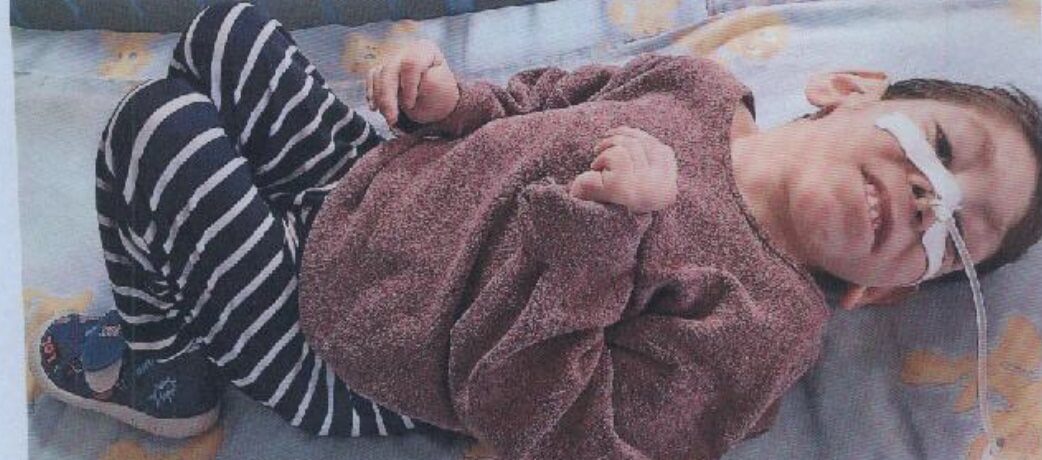
Rowand remains in a lying position and is motor-passive. He tolerates interactions – tactile, verbal, musical. He does not initiate interaction when he is awake but remains calm. The boy reacts by crying in moments of discomfort. He reacts to sounds and movement around him.
Rowand is fully dependent on the care of adults. He requires constant specialized care for feeding (via NG tube), body positioning, and systematic motor rehabilitation.

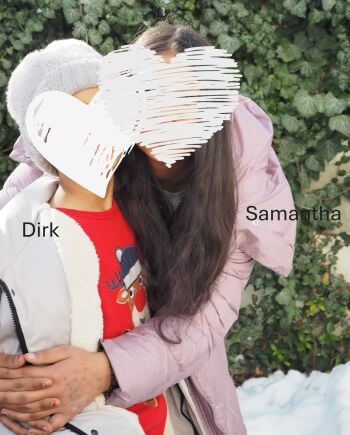
Samantha (14) and her younger brother Dirk (6) share a special bond and are hoping to find a loving forever family together.
Samantha is a thoughtful and friendly girl who enjoys reading books, listening to music, and spending time with friends. She is doing well in school and has a warm, sociable personality.
Dirk is an energetic and playful little boy who loves riding his bike, drawing, doing puzzles, and playing outside. He has a great imagination and dreams of becoming a policeman one day.
Both children have a positive attitude toward adoption and are hopeful about finding a family who will welcome them both with love and support. Keeping these siblings together is very important to them, and they would thrive in a home where they can continue to grow side by side.

The listing agency has an additional $1000 grant to reduce the adoption fees for Galen, too!

Annie’s medical history includes a neurological condition with early-onset epilepsy (seizures are currently well controlled with medication), a syndrome of congenital anomalies with predominantly facial involvement, microcephaly, strabismus, and global developmental delays (neurological and psychological). She can stand with support but does not yet walk independently and has limited coordination. She loves interacting with caregivers and is a very sweet little girl.

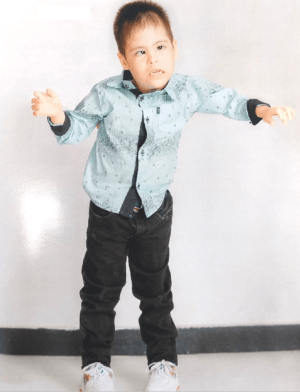
Johnny can sit independently and he can assume a hands-and-knees position. He grasps toys and responds with positive emotion during interaction. He has good hand-to-mouth coordination. Johnny can turn from back to belly and vice versa. When standing, he has weak support on his legs.
Most of the time, Johnny is calm; there are no signs of increased anxiety, frustration, or aggression. He uses crying to seek attention or to satisfy needs but calms down quickly when comforted through hugging, gentle stroking, or talking. His sleep is calm.

He demonstrates a global developmental delay affecting physical, cognitive, emotional, and social functioning. Physical development shows a mild delay: he sits independently, stands up on his own, and walks with hand support. Fine and gross motor skills are slightly delayed; muscle tone is adequate, and there are no musculoskeletal disorders.
Neurologically and behaviorally, Dane shows limited social engagement: he does not respond to his name, does not maintain eye contact, does not follow commands, and does not initiate interaction. Play is non-functional and stereotypical (e.g., spinning objects). He exhibits stereotyped behaviors and requires adult guidance for constructive play.
Expressive speech is absent, with only incomprehensible vocalizations and occasional syllables. Cognitive functioning, memory, and intellect are below age level, and higher mental activity cannot be reliably assessed due to age and developmental limitations.
Emotionally, he is generally calm, responds to positive and negative stimuli with a delayed reaction, and shows attachment through hugging familiar caregivers. He rarely expresses needs verbally and may become distressed when objects are taken away.

She has been diagnosed with a rare syndrome characterized by tall stature and congenital facial differences. While these differences may be noticeable, they do not define who she is.
Since being placed in a loving foster family, her story has already begun to change. She has shown accelerated growth, improved neuropsychological development, and her physical development is age-appropriate. She is in good general health and does not require ongoing medical treatment at this time, aside from her speech delay, related to her congenital anomalies.
But here’s the part that matters most: she is making real progress. She forms 3-word sentences, asks questions, uses polite expressions, initiates communication, and loves role-play and interaction. With consistent speech therapy, her potential continues to grow.

Axton moves around using a walker and is very active. He sits independently without support. His speech is in the process of development; he pronounces individual sounds and produces a variety of vocalizations.
Axton is cheerful and smiles often. He actively seeks the attention of adults and laughs out loud during playful interactions. He shows good adaptation to new environments and daily routines. Axton is calm and does not display self-aggressive behavior. He independently reaches for toys placed around him, taps them, and explores them with curiosity.
Axton is fed with a spoon by an adult while seated in a high chair. Efforts are being made to teach him to drink liquids from a cup. He falls asleep in a crib, and his sleep is calm.

Information is from September 2024
Summary: Yessica is a 7-year-old girl who has faced significant instability in her early life. She was abandoned by her biological parents, and then she lived with her grandfather until 2023, when he could not longer care for her needs.
Yessica has specific medical needs, particularly concerning her vision and behavioral health, both of which require consistent management. Yenci has complex visual diagnoses including low vision, bilateral amblyopia, astigmatism, hypermetropia, secondary exotropia, and nystagmus (irregular eye movements) with a rotational component. She underwent surgery for strabismus around April 2024 and currently wears corrective lenses. She has been diagnosed with behavioral disorder. She takes daily medication for her latter diagnosis. Her weight and height are appropriate for her age. She has received dental treatment for cavities and is in good oral health.
Yessica is currently enrolled in the second grade. She has experienced difficulties with academic performance, including low grades and failing subjects, largely due to challenges with concentration and understanding tasks. She struggles particularly with Language but shows aptitude in math, art, and religion. With increased support at home, her interest in studying is improving. Yessica demonstrates clear language use with coherent content and age-appropriate vocabulary. Her thinking is flexible, allowing her to identify risks and consequences. She is also advancing in reading comprehension. She has adequate fine and gross motor function, showing good coordination and manipulation skills.
Yessica is an affectionate child who is learning to navigate her emotions with professional support. She is currently going to psychiatry and psychology therapy to address behavioral difficulties. She needs support managing frustration and developing assertive responses. She can be impulsive (accelerated behavior), has difficulty staying still, and may struggle with following institutional rules, occasionally displaying rebellious or defiant behavior. Yessica is capable of giving and receiving affection. While she can be jealous with significant figures, she is responsive to dialogue and understands situations after discussion. She has developed skills to express her emotions, needs, and desires more clearly. She can lose motivation easily but is capable of regaining it through encouragement and dialogue.
Yessica has distinct preferences that give insight into her personality and what she hopes for in a family. She enjoys playing with dolls and has a fondness for dresses and shoes. Yessica has expressed a preference for adoption by a nuclear family (mom and dad) or a single-parent maternal family. She is indifferent as to whether the family already has other children. Despite her challenges, she shows a willingness to connect and has a preference for feminine figures, though she is open to a nuclear family structure. A balance of clear, consistent rules with warm affection is crucial to help her feel secure and manage her conduct disorder.

NEW VIDEOS:
https://vimeo.com/manage/videos/1151669660
https://vimeo.com/manage/videos/1151669587
Password: Adoptmaa
There is a $1,000 agency fee reduction for Kenny’s adoption via a specific agency.

Congenital anomaly of the nervous system (CANS): Spina bifida aperta, condition after surgical treatment; Hydrocephalus, condition after implantation of a ventriculoperitoneal shunt (VPS). Cerebral palsy. Symptomatic epilepsy. Pseudobulbar paresis. Pelvic-reservoir deficiency. Bilateral inguinal hernias. GER. Protein-energy deficiency. Cortical blindness. Profound delay in neuropsychiatric development


Yoshi was removed from his family at a young age, due to their lack of ability to provide adequate care. Yoshi presents with a complex medical profile requiring ongoing attention and care. His primary diagnoses include: Neurodevelopmental delay: affecting various areas of growth; Macrocephaly: disproportion of the skull/face and minor facial dysmorphisms; Muscular Hypotrophy: specifically noted in the lower extremities, though they are symmetrical; Growth Concerns: short stature and low weight, previously hospitalized for protein-calorie malnutrition; Expressive Language Disorder: significant difficulties in verbal communication; Cardiac Concerns: possible pulmonary valve insufficiency and mild tricuspid insufficiency (syndrome under study). He has a history of hospitalization for respiratory infections (pneumonia) and malnutrition but has stabilized under current care. He has no known allergies. His current medical regimen includes nutritional support. His vaccination schedule is up to date for his age.
Yoshi faces several developmental challenges. He exhibits a significant delay in verbal expression. His vocabulary is limited, and he struggles with pronunciation, articulation, and structuring sentences. He primarily uses gestures and short words to communicate. While he has shown improved mobility, he experiences difficulties with gross motor skills such as running, jumping, and climbing stairs. He exhibits generalized hypotonia and issues with balance and coordination. He has cognitive difficulties understanding complex instructions. He is currently working on sphincter control and still requires diapers. However, he is showing progress in independence, such as using a spoon during meals.
Despite his challenges, Yoshi possesses a warm and engaging personality. He is described as an active, affectionate, and receptive child. He shows a genuine interest in social interaction and engaging with the world around him. Yoshi has an adequate capacity to form bonds with significant adults and is progressively learning to interact with peers. He enjoys group play and is capable of sharing toys. He tends to express his emotions clearly through facial expressions and gestures. He thrives in environments where he feels emotionally secure.
Yoshi is a child with distinct likes and dislikes that help define his daily life: He has a strong preference for symbolic and construction games. He enjoys recreational activities, particularly playing ball, searching for elements, and visiting parks or rivers. He enjoys fruits such as bananas, watermelon, tangerines, and oranges. He dislikes pineapple and chopped papaya (though he accepts papaya in juice form). He benefits from a structured sleep routine, sleeping easily and restfully, which contributes positively to his mood and willingness to participate in daily activities.
Yoshi requires a parenting style that combines deep affection with structure. His ideal home will prioritize his medical and therapeutic needs—including ongoing nutritional support and developmental therapies—while providing an emotionally safe and orderly environment.

The agency who listed Cicilia also offers additional fee reductions / grant opportunities to families.

Yanna is a 13-year-old girl who has shown resilience and adaptability despite a history of neglect and various types of abuse in her early childhood. With the help of therapy, Yanna now demonstrates emotional stability, responsibility, and motivation to continue improving. When reading her full child profile, it is clear that this young lady has put a lot of thought into her past and into her future, including what she hopes for in an adoptive family. Yanna is a clinically healthy young lady, but will need to continue therapy to help her work through her past and to transition into a family.
Academically, Yanna is an excellent eight-grade student. Her teachers describe her as intelligent, punctual, and committed to her studies, showing solid performance and a genuine interest in learning. She enjoys school and maintains positive relationships with her classmates and teachers. Emotionally, Yanna can be reserved at first but gradually builds trust and close relationships with those around her. She can express affection and empathy, especially toward younger children. She is currently receiving psychological support to continue strengthening her emotional regulation and communication skills.
Yanna enjoys listening to music—particularly reggaeton, bachata, and rap, watching movies and tv series, making bracelets, and spending time with her friends. She dreams of completing her education and one day becoming an actress. She understands that her current stay in the institution is temporary and hopes to find a permanent family that will offer her affection, stability, and protection. Yanna has expressed her wish for a family that values communication, patience, and mutual respect, ideally without other children so she can receive focused attention and guidance. She was previously matched with a family for international adoption, but the family and Yanna were not a good fit for each other. She would prefer a family who is relatively young given her previous experience with a potential family. She does not have a preference for whether she has married parents or a single mother.
In summary, Yanna is a bright, affectionate, and reflective adolescent who would thrive in a loving, consistent family environment capable of supporting her emotional growth and providing a sense of belonging and security.

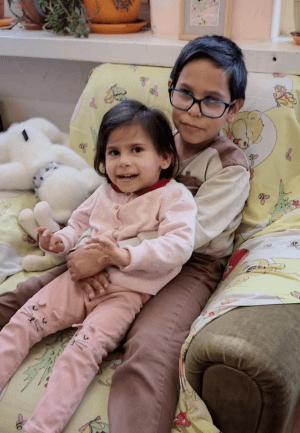
These three kind and joyful brothers share a close bond and long to be adopted together. Despite living in separate foster homes, they see each other often and treasure every moment spent playing, celebrating, and growing side by side. Kole is responsible and sociable, Shay is caring and thoughtful, and Vance is curious and full of wonder.
All three are healthy, independent in their routines, and eager to join a loving forever family where they can be reunited and thrive together.

Darling Brianna sometimes turns herself to a side position. She grabs toys with both hands and handles them. A smile is observed when interacting with an adult. She looks at herself in the mirror. She pronounces vowel sounds. She enjoys individual attention, and she gets upset if she is not paid attention to or if she is left alone in the crib after she has been paid attention to. She tries to initiate contact with her eyes and facial expressions, and she responds to her name.
The position of Brianna’s legs doesn’t allow her to sit and she doesn’t straighten her head, but sometimes she rotates her torso laterally to some extent. She reaches and grabs a toy handed to her by an adult or placed in her immediate environment and handles it briefly. She follows moving objects and people with a glance and a turn of the head.
Brianna is described as “absolutely adorable, easy to communicate with, and curious about new people and new toys.” Her caregiving staff says she is a calm and gentle child and is “everyone’s favorite in the house where she lives!” Please help us find Brianna’s family!

Update 1/2026
Anastasia is a calm, emotionally responsive 1-year-old child . She enjoys interaction with adults, tolerates touch well, and shows good eye contact. She often initiates contact by vocalizing, smiling, and reaching out to be held. She recognizes familiar people and responds positively to attention.
She is relatively active and moves both her arms and legs. She can hold her head in the midline while lying on her back and supports herself symmetrically on her elbows. She is not yet rolling over or sitting independently. Her fine motor skills include a present grasp reflex, good hand-to-hand and hand-to-mouth coordination, and the ability to purposefully grasp and hold a toy. When placed on her stomach, she extends her arms.
Anastasia has a diagnosis of polyformative syndrome with genetically confirmed Bardet-Biedl syndrome type 12. She was born from a first complicated pregnancy with prenatal tumor formation. Her birth weight was 3,200 g, and her current weight is 8,510 g. She has a good appetite and is fed by an adult, accepting food from a pacifier.

Other mixed disorders of behavior and emotions. Disorder in psychological development, unspecified. Moderate cognitive delay, without mention of behavioral disorder

Epileptic encephalopathy. Microcephaly. Cerebral palsy. Congenital cytomegalovirus infection. Delay in neuropsychiatric development. Protein-energy malnutrition

Twins Nelson and Nellie are six years old. They were born to a teenaged mother who was in protective care herself. Given specific familial concerns that will need to be discussed with interested families, the children were placed into foster care together and eventually were deemed in need of an adoptive family. There is no history of abuse with these children.
Nelson is overall healthy and does not have any medical diagnoses nor does he take any medication. However, while his motor development is age-appropriate, he has a mild language delay. Nelson is able to pay attention and communicate with others, but he has an impairment in his ability to pronounce words and complete sentences with difficulty pronouncing “l” sounds especially. He is receiving speech therapy. His profile indicates a learning delay “considering the developmental scale he is currently in” and recommends stimulation, but there is not a specific diagnosis given. He does not show any difficulty processing sensory information. He is receiving occupational therapy and psychiatric follow-up for a “diagnostic impression of Unspecific Conduct Disorder” but he does not have an official diagnosis. He does not react well when given limits and sometimes throws tantrums when he is not able to do something he wants to do. He does not have any social development concerns, though there are time he prefers to play alone while other times he plays and interacts with his peers.
Nelson is an affectionate child who is able express his emotions to others. He is attached to his foster parents and appropriate seeks their attention and approval when completing tasks. He tends to allow his sister to lead him and to be the dominant sibling in the relationship. It saddens him when he cannot play with her or is separated from her (normal daily temporary reasons, not separated with regard to where they live).
Nelson enjoys playing with cars, dinosaurs and balls. He loves going to the park, playing sports—especially soccer—with his classmates, and he is noted to be a skilled painter.
While Nellie also does not currently have any physical/medical diagnoses, she is being evaluated for Autism Spectrum Disorder. A psychiatric evaluation appointment is pending due to testing showing sufficient criteria for a diagnosis of Autism Spectrum Disorder, but a thorough evaluation is needed to determine a diagnosis. Symptoms noted including persistent language development delay, attention lability, motor restlessness, stereotyped behavior, limited eye contact, and difficulty in understanding directions. A pedagogy evaluation appointment is also scheduled. Nellie displays behavioral concerns, especially with regard to her schoolwork. She is resistant to doing schoolwork (though she is capable to do the work) and to obeying the rules and limits of the classroom. At home, she has resisted doing homework and even has scribbled on her notebooks and thrown them on the floor. At her previous early childhood educational program, she also showed behavioral difficulties and difficulties recognizing authority figures, trouble staying involved in activities and a preference for more open areas of the institution. She cries when she is not allowed to do something she wants to do. However, she is able to play alone or focus on tasks she wants to do such as playing with dolls or dancing.
Nellie’s motor development is age-appropriate. She does not have any difficulty processing sensory information. Like her brother, she is able to communicate but has difficulty with word pronunciation—especially in pronouncing the “l” sound. Socially, she is able to establish relationships with other children and plays with others. Despite her behavioral concerns, she is noted to usually have a good disposition, be cheerful and integrated with her foster family. Her foster family has been given instruction on how to help improve her behavior and there has been progress made.
Nellie is strongly attached to her foster parents and her brother. She is able to give and receive affection with them and sometimes exhibits jealousy when the foster mother shows affection toward other children in the home. She seeks approval from her foster parents and from others with whom she has an emotional bond. Nellie is the more dominant sibling and takes the initiative to ask for things for both herself and her brother.
Nellie finds joy in playing with her dolls and receiving affection from those she is close to. She is an expressive child who engages in caregiving role-play. She likes wearing dresses and having bows in her hair. She enjoys and is good at dancing and singing, and also likes playing with toys, going to the park and watching television.


Amelia and Scarlett have been diagnosed with Sickle Cell Disease, which is currently managed with daily medication.

Lucia and Charles are a very bonded Afro-Latin brother and sister sibling set who live together in the same foster home. They came into care when they were 8 and 2 years old respectively. Before coming into care, one of her older brothers often fulfilled a parental role with them but was abusive in this role. When they first came into care and for a while after, Lucia took the position of maternal figure to Charles and was opposing to the foster mothers which led to changes in foster homes. Over time, however, she settled in and started allowing the foster mother to take over the maternal role. They are doing well at their current foster home.
Lucia
Lucia, 15, is currently in the 8th grade where she participates in extracurricular activities, including soccer. She has improved in taking responsibility for her schoolwork over years past and has improved in family and interpersonal relationships. Though Lucia will complete her schoolwork, she is not overly interested in on academic subject over the other. However, she is interested in pursuing studies in beauty related fields such as cosmetology or being a beautician. She also likes to cook and is constantly trying to learn and perfect new skills. Lucia is overall healthy, but will need to continue mental health services to help her work through her past trauma and to transition to a new family.
While Lucia tends to be an independent young lady, she seeks the approval of the adults she trusts to feel safe and confident. Her ability to control her emotions and anxiety has increased and she is learning ways of coping with her anxiety in productive ways. Due to past trauma, Lucia has exhibited a high need for control which contributed to her anxiety, but she has been learning to let go of some control and to allow herself to be in the role she should be in at her age and stage in life. Sadly, it is known that Lucia has been the victim of sexual abuse from at least two perpetrators—one prior to coming into care and one while in care. She self-reported these instances and has received psychological services to help her work through them. Lucia has come to realize that these instances were not her fault and is able to recognize that these instances do not define her. She has not sexually acted out toward others and has not participated in any self-harming behaviors.
As Lucia has continued to work through her past, she is evolving into a responsible and self-aware young lady. Lucia enjoys anything related to makeup and beauty as well as preparing special meals and desserts. When Lucia is happy, it is clearly seen in her face and continence—she literally often jumps for joy.
Charles
Charles, 9, is in the third grade at his new school after the siblings were moved to a new foster home. However, he is supposed to be in the second grade with an individual education plan that had not yet been implemented at the new school as of the time of the report. As a result, his academic performance has been poor this year, but they were supposed to re-implement his plan. Charles has a specialized plan due to a diagnosis of mild mental retardation (F708). Overall, Charles is a very collaborative child with a high sense of belonging who enjoys interactions with his peers. He is motivated by being included in activities and also by being recognized for acts of service. He is able to care for himself independently in an age-appropriate manner.
Charles’ motor skills are age-appropriate, but he does receive occupational therapy and speech therapy. On his IQ testing, he scored 68, but there is a high probability that the score actually falls in the 63-77 range due to some discrepancy between composite indices. More information is available in the child study and available documents. In addition to the diagnosis of mild mental retardation, he was diagnosed in January 2025 with conduct disorder not otherwise specified (F919) and disturbance of activity and attention (F900). He takes daily medication. Charles also wears glasses and had a diagnosis in April 2025 of blepharitis (H010) which is receiving care from the optometrist for.
The change of foster homes has been difficult for Charles, though it was necessary for the protection of the children. Coupled with the change in caregivers and environment is the expected changes in Lucia as she is now older and wants to live the more autonomous life of a teenager that is not filled with being his caregiver as was previously her role. These changes have left Charles feeling lonely and confused. These emotions have affected his behavior, and he sometimes has tantrums or becomes upset easily. It is important to note that Charles has no history of known sexual abuse but was subject as a toddler to the domestic abuse and control from his older brother when he and Lucia were in their birth family.
Charles enjoys going outside, playing football and soccer, going to the park and watching movies. He also enjoys building with blocks.

Arlen and his four siblings came into care in 2022 due to being victims of multiple types of abuse in their family. Their parents were known to be drug users with emotional instability and aggressive behaviors between them. They were also verbally abusive toward the police and other authorities. Arlen is being placed for adoption as a single child.
As Arlen was never enrolled in school until he was taken into protective custody, he is in the first grade. He is familiar with some letters and numbers but cannot read or do simple arithmetic problems. He truly enjoys art class since he has great skills for doing crafts. He seeks adult validation in every activity he participates in. However, while he recognizes authority figures, he is defiant toward them and only obeys with some difficulty. Arlen usually gets along well with peers and adults; however, when he gets mad or frustrated, he begins to behave in a bad and aggressive way. He lies whenever he wants to avoid his responsibilities. He gets upset when he cannot do what he wants. His cognitive development is affected. Arlen has been diagnosed with ADHD, mild cognitive developmental delay, focalized epilepsy, and oppositional defiant disorder. He goes to occupational and psychiatric therapy, and also takes daily medication. There are no concerns regarding his motor and language development.
As mentioned, Arlen and his siblings were subjected to multiple types of abuse. It has been reported by his teachers that in addition to being aggressive toward other children in the class. Though Arlen can verbally express his feelings and emotions, he has a hard time managing them. He gets easily frustrated and has trouble finishing any given task. He is afraid of the dark and of being alone. Arlen gets anxious when he consumes sugary foods, and he also gets anxious when an outing is going to happen soon. He goes to bed around 8 pm but takes a long time to fall asleep.
Even though Arlen has been known to be aggressive toward others, his child study also reports he usually gets along with adults, peers, younger children and animals. Arlen is not shy when meeting people; it is easy for him to take the initiative to start a conversation with anybody. He likes to take the lead in any game. Arlen can be affectionate toward those he knows and is comfortable with. He likes to maintain good hygiene habits and takes care of his personal belongings.
Arlen is very active during the day. He loves to go to the park and to play soccer with friends. Arlen is interested in any outdoor recreational activity; he loves to do physical exercise. He has stated that he is good at swimming. Arlen has stated that he would love to get married and have kids. He does not want to go to college but would like to work handling heavy machines. He is open to being adopted by any type of family.

Introducing an amazing sibling group of three from Eastern Europe: Dawson, Dahlia, & Addison. After an incident in the home of the family on 14 March 2022 the boy received a first degree burn on his face and arms. Six surgeries have been performed, with one of them using the child’s right thigh as a donor site. He was discharged on 04/05/2022 and he was placed together with his sisters, Dahlia and Addison, in an emergency unit. The parents desired for the children to be brought up in a foster family. After a matching period, Dawson, Dahlia, and Addison were placed in a foster family. Contacts between the parents and the children were being performed once a month.
Later, in a multidisciplinary meeting with the Director of Social Assistance on 11/07/2023, it was decided that the children are to be registered in the registry for Adoption and their contacts with the biological family have been discontinued. The children have experienced the trauma of having lived in an abusive home, but otherwise are healthy, beautiful children.

Kalin came into care as a baby when his mother brought him to the hospital and it was discovered he was in poor condition. He had a high fever, was malnourished, had a diaper rash and was noted to have overall developmental delay as well as cataracts. His mother was an older teenager and she had not sought any care for the medical condition he had had at birth. Kalin was 5 years, 8 months old at the time of this report from July 2024. Kalin´s current diagnoses are autism, unspecified asthma, congenital cataracts, and overall developmental delay. He takes daily medication. Kalin still wears diapers during the day and night.
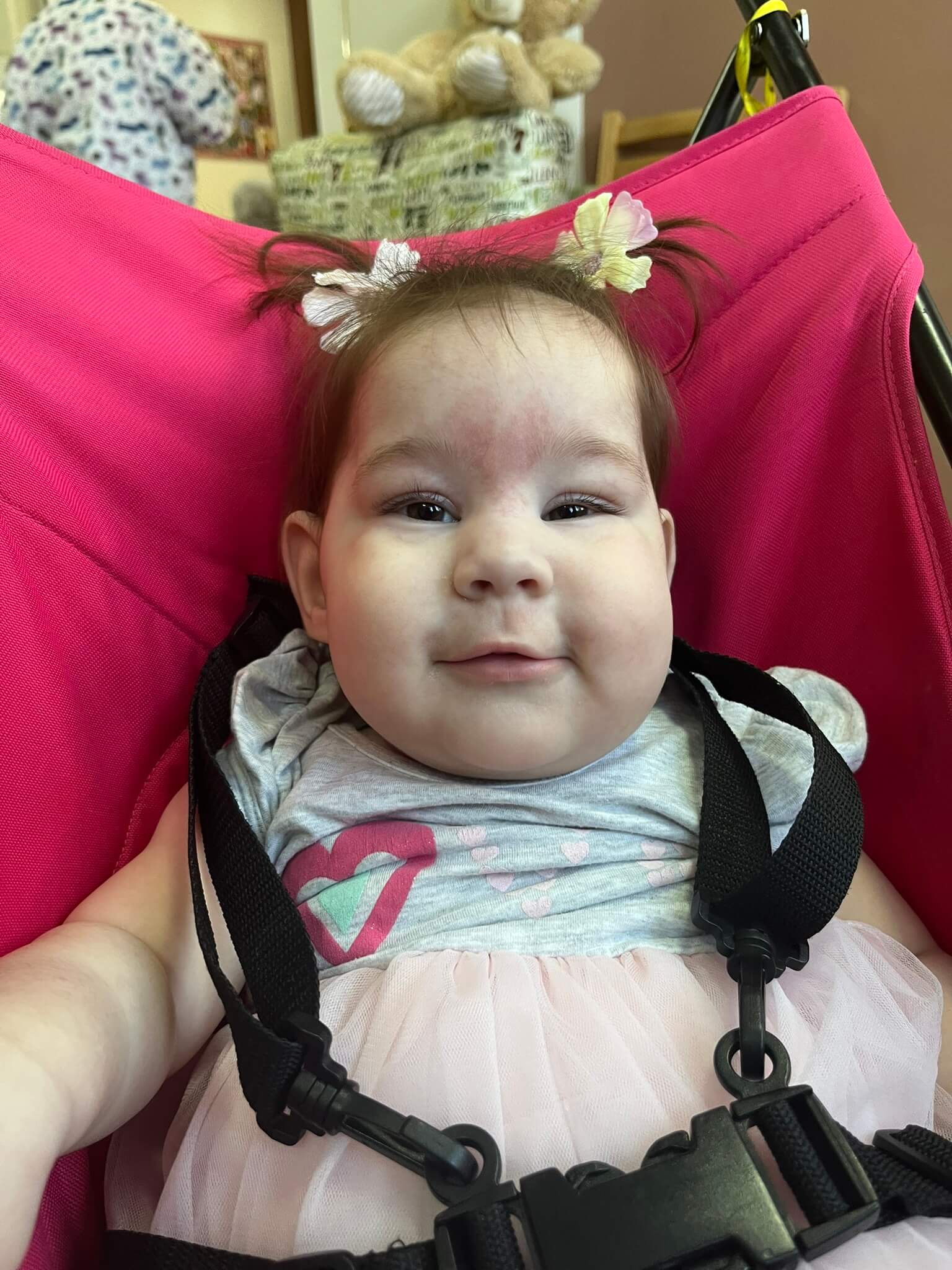
Kalin is not formally enrolled in school. He has been diagnosed with autism and unspecified overall developmental delay. He currently goes to physical, occupational, speech, and psychological therapy. The psychiatrist recommended the foster mother take the child to school gradually. He goes to pre-k two days a week and for just a couple of hours. At first, he did not want to stay there but over time, the foster mother states that he is used to going to school and enjoys his time there. He loves toys that make different sounds, and he can play alone for more than 15 minutes.
There are no major concerns regarding Kalin´s gross motor skills, and he is still improving his fine motor skills. Since he is now used to wearing his glasses, this has helped him with his sense of feeling safe to perform different physical activities. He is starting to talk with some difficulties; however, through sounds and facial gestures, it is easy to understand what he wants. He has begun to imitate the sounds of some animals. Kalin is able to identify people´s emotions by looking at their facial expressions. He is able to give and receive affection with those he is familiar with, and he does not get jealous when his caregiver pays attention to other children. He is not shy—whenever he arrives at a new place, he explores his surroundings interacting with adults or kids. At times, Kalin gets anxious when he wants to play with something but needs to wait. Sometimes he gets upset when he is hungry and his food is not ready or he needs to wait for it to cool down. He is afraid of sudden loud noises.
Kalin enjoys playing with toys that make music. The child´s favorite food is spaghetti with chicken or ground beef. He is interested in musical instruments.

The agency has several videos available, too!


VIDEO:
https://vimeo.com/manage/videos/1065191610
Password: Adoptmaa
Agency fee reductions may be available based on the adoptive family’s circumstances (with a specific adoption agency).

The child has severe lag in physical and neuropsychiatric development. Severe mental deficiency. Needs systematic motor rehabilitation, classes with a speech therapist, psychologist and typhlopedagogue. Weak rehabilitation potential. Followed by a pediatric neurologist and ophthalmologist.
The child can turn from back to stomach and back. Does not crawl, does not sit independently, does not have a four-legged stand. Does not stand up, holding on to a support. Holds a toy placed in the hand for a short time. Lacks a pincer grip. The average mental age of the child corresponds to 3-5 months. The child is mostly calm with accompanying episodes of irritability, expressed through crying. Quickly calms down by the presence and attention of an adult. There are no indications of aggressive behavior or manifestations. Does not utter words, syllables and sound imitations. Does not turn when called by name. Does not initiate contact with other children. The child is completely dependent on the care of an adult. Takes food from an adult with a spoon (less often from a bottle). Falls asleep independently.
There is evidence of a brother with an autoimmune disease – Alopecia areata.

Sally and Ria live in a foster home.
Sally is in the fifth grade where she is an average student. She likes to go to school, and she is known for being helpful and kind. However, it is difficult for her to fully understand the different academic contents which often leads her to get easily frustrated and give up. It is important to mention that while living with her biological family, there were many times when she was not enrolled in school which likely contributes to her difficulties. While her favorite subject is language, her language and cognitive development are delayed. Sally has trouble reading and making complete thoughts. She also has trouble with math. She easily forgets new concepts. It has been observed that the child has difficulty following complex instructions. For the most part, Sally manages her frustrations and impulses, but there are moments where she gets overwhelmed with a task or homework. It is hard for her to stay quiet in one place as she is curious of her surroundings and active. She recognizes authority figures and is respectful towards them.
There are no concerns regarding her motor development. Socially, she interacts positively with adults, peers, younger children, and animals. She is able to give and receive affection, and sometimes she gets jealous when her foster mother pays attention to the other children. Sally gets anxious when she finds herself in a new environment and with unknown people. She is shy when meeting new people and often needs a mediator to help her interact with others. However, once she knows a new child, she enjoys interacting with her peers. She is able to verbally express her feelings and emotions. It is upsetting to her when she is scolded for misbehaving. She also worries that she may be separated from her sister. Sally is still learning to take care of her belongings and requires supervision from her foster mother to keep all her things organized and in a good state. Sally also requires supervision with her hygiene. Sally goes to occupational therapy and has follow-up visits with the psychiatrist.
Sally enjoys playing pretend, especially with her teacher or her sister. She is interested in playing soccer but due to her nutritional state, she had limitations to do sports. Her favorite colors are pink and purple. Sally would like to become a doctor to help anybody in need. She has also stated her desire to have a mom, a dad and another sibling.
Ria is in the third grade. Her academic performance is lower than expected so she receives extra support after school. She loves anything art-related, and her least favorite subject is math. She recognizes authority figures, follows rules and is usually respectful toward adults. Ria gets easily distracted and requires supervision to fulfill her tasks. It is hard for her to stay quiet in one place, and she needs to be reminded of what is expected of her in different locations. Ria had an IQ test, and the results showed a delay in her chronological age. She has trouble memorizing things, is hyperactive and gets easily distracted.
There are no concerns regarding her motor development. Her expressive and comprehensive language development is delayed. Socially, Ria is shy when meeting people and will wait until somebody takes the initiative to start a conversation. Ria gets anxious whenever she is in an unfamiliar place and surrounded by unknown people, and it upsets her when she is approached by unfamiliar people. Ria interacts positively with adults, peers, younger children, and animals. She seeks to have friends, but sometimes this seeking has caused behavioral problems at school. She does not get jealous when her foster mother pays attention to the other children. Ria used to lie to avoid the consequences of her actions, however this behavior only happens from time to time. Ria is able to verbally express her feelings and emotions, and she manages them at an age-appropriate level. The foster mother needs to constantly remind her to take care of her personal belongings and to improve her hygiene. She gets upset when peers take her belongings without her permission. It is also upsetting to her when her foster mother has to scold her.
Playing with her foster siblings and her sister makes Ria happy. She has great skills in drawing and painting. Ria has stated that she would love to have a mom, dad, and other siblings. She would like to become a doctor, veterinarian, nurse, or teacher.

Due to the extreme hydrocephalus, Malachi is in impaired general condition, with significant lag in psychomotor development – no head control, does not turn around, does not sit or stand. He needs specialized care, monitoring by medical specialists, and daily medical rehabilitation. He is usually in a positive emotional state. He coos frequently and continuously. He reacts animatedly to the speech of an adult. He initiates a desire for physical contact by smiling. The boy is completely dependent on the care of an adult. His sleep is peaceful. He takes food with a pacifier. The agency has videos of him.