
Steena

Grant funds depend on available funding; the link above, shows the current available amount. To inquire about this child, email childinquiry@reecesrainbow.org ***
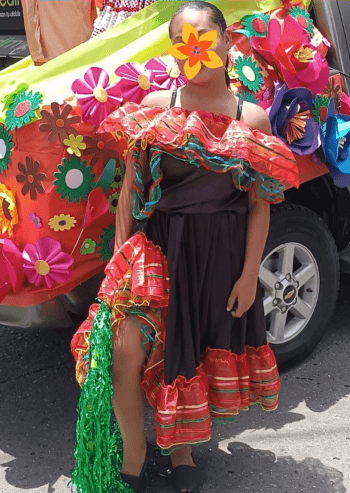
As typical teenaged girls often do, Steena enjoys dressing neatly, putting on makeup, doing her hair, and participating in activities with her friends. She enjoys talking about these things with her foster mother, who she has an excellent relationship with.
It is believed that she would do very well with a single mother as she does not envision a life with a father given her history, but when asked if she would be open to having a father, she replied “if he is a good father, I would like to.”
Steena enjoys dancing and participates in the dance team at school. She also enjoys swimming and aerobics. She is overall healthy and while she had had the diagnosis of “mixed disorder of school skills” her updated child report states “It is important to emphasize that, despite the diagnosis mentioned above, Steena has managed to go far with effort and dedication, demonstrating motivation to learn to get ahead, greatly overcoming the difficulties derived from the aforementioned diagnosis and adverse situations in her life.”
Keaton
The agency has videos of Keaton available.
Teressa #
Tana #
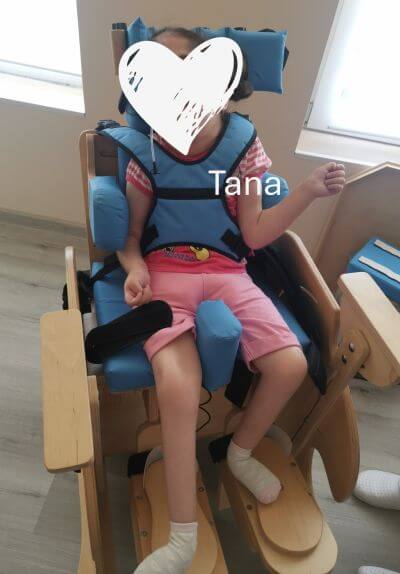
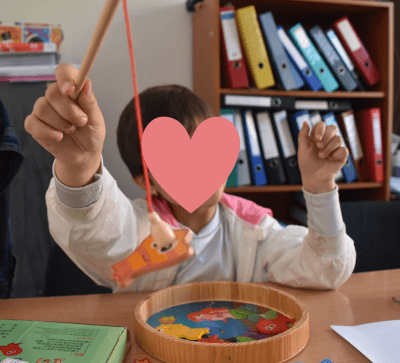
Tana has significant medical needs, including cerebral palsy, a seizure disorder, and severe neurological conditions that have greatly impacted her development. She is non-ambulatory, has not developed head control or independent motor skills, and is completely dependent on caregivers for all aspects of her daily care. She is fed through a nasogastric tube and requires comprehensive, ongoing medical support.
Although Tana does not communicate verbally or understand spoken language, she expresses herself in her own ways. She often smiles in response to gentle attention, may make soft vocalizations, and lets caregivers know when she is uncomfortable through quiet crying or facial expressions. She also responds positively to certain therapy exercises and enjoys the comfort of familiar, soothing music.
Tana will thrive in a family that is prepared to provide lifelong love, advocacy, and specialized medical care. She would benefit from caregivers who can celebrate the small but meaningful moments of connection that make her unique.
Uma
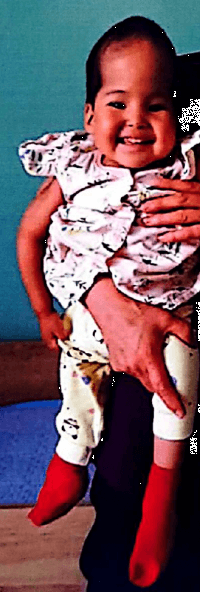
Despite her physical limitations, she is described as a warm, affectionate, socially engaged little girl who enjoys interacting with adults and peers, understands simple speech, and is beginning to use words herself.
Yamira
Grant funds depend on available funding; the link above, shows the current available amount. To inquire about this child, email childinquiry@reecesrainbow.org ***
Ferguson
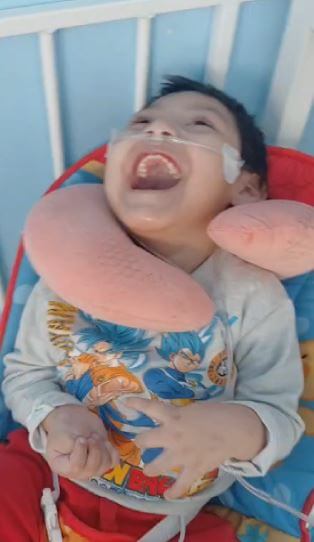
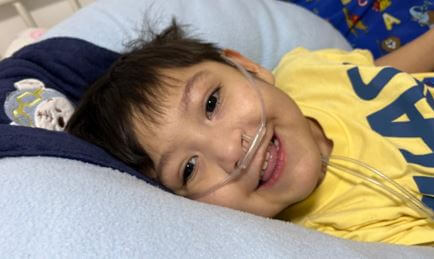
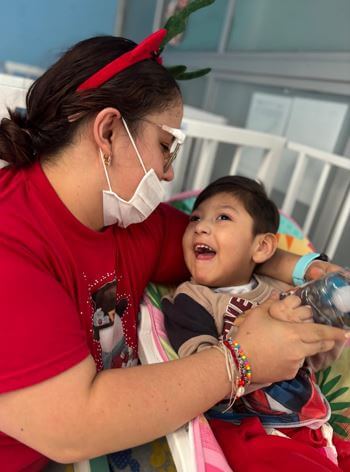
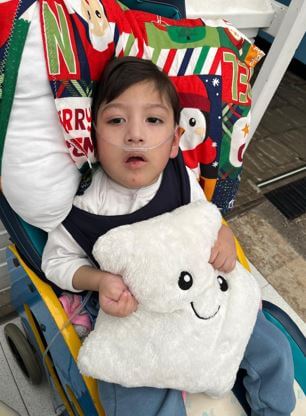
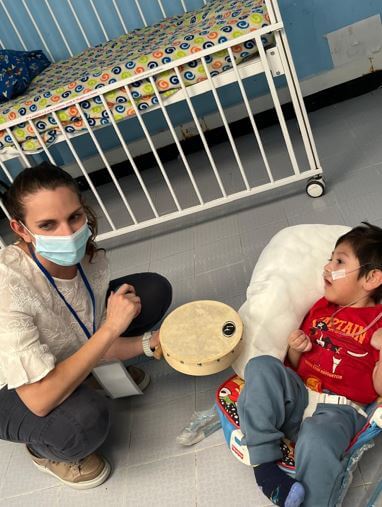
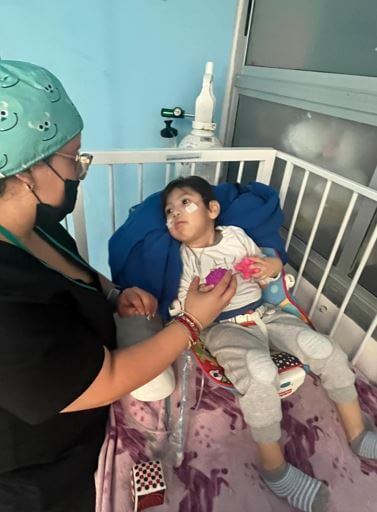
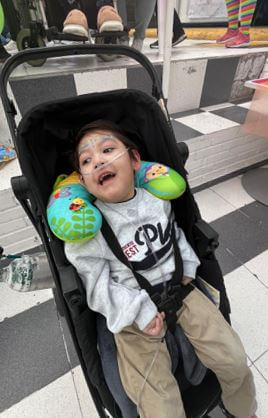
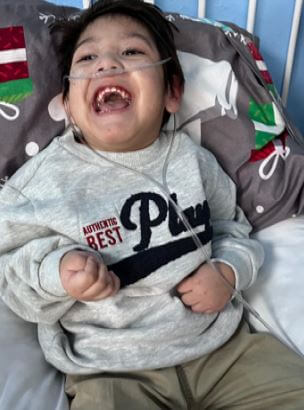
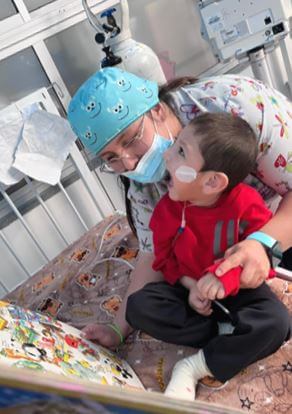
The agency has video available of Ferguson, as well!
Elio
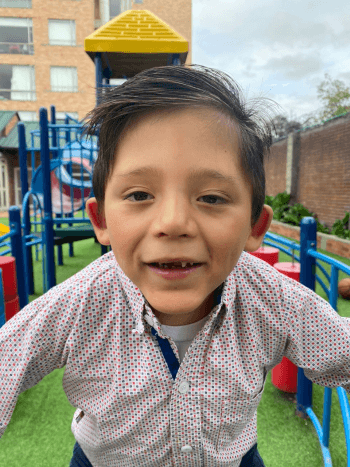
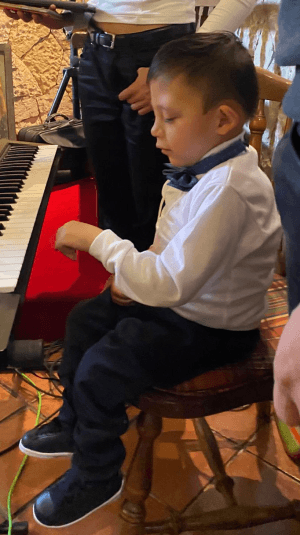
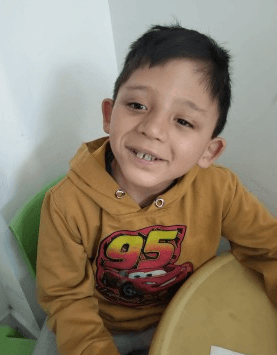
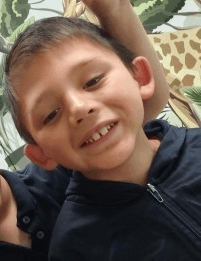
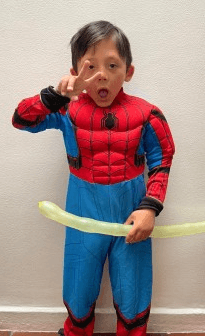
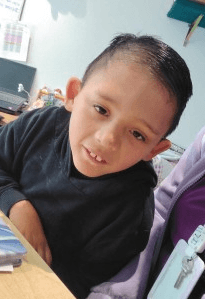
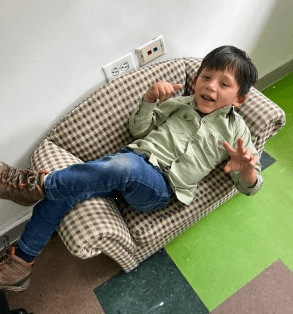
Delayed psychomotor development (associated with prematurity at 32 weeks, fetal distress, breech presentation)
The agency’s team met Elio in October of 2024, and they have additional information and videos!
Indy #
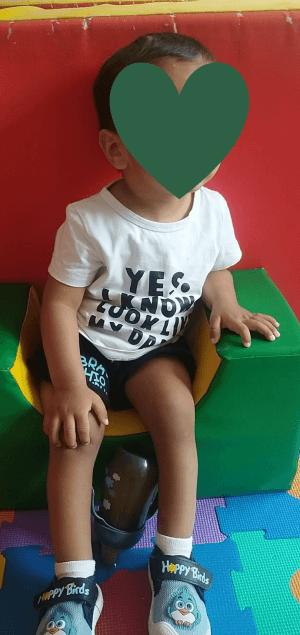
Indy has significant developmental delays related to his medical history, particularly in his motor, communication, and cognitive development. He is an active crawler and can sit independently. He is beginning to pull himself to stand while holding onto furniture and has taken a few supported steps. He continues to need assistance with many age-appropriate daily activities.
Indy does not yet use words or consistently follow simple instructions, but he babbles and enjoys sound-based play. He is curious about his surroundings and shows interest in people and his environment, although his attention span during play is often brief. He can be somewhat cautious with unfamiliar people but warms up when approached gently.
Indy has a significant history of hydrocephalus and has required multiple neurosurgical procedures, including shunt placement and revisions. He continues to require follow-up with pediatric neurology and neurosurgery and ongoing developmental support. His medical team has recommended precautions to protect him from head injuries and certain types of physical activity.
Indy would benefit from a patient, loving family who can provide a stable home, advocate for his medical needs, and support his continued developmental progress. His recent records show encouraging progress, and he is a little boy who enjoys connection, attention, and being included in the activities around him.
Teresa #

Grant funds depend on available funding; the link above, shows the current available amount!
To inquire about this child, email childinquiry@reecesrainbow.org ***
Mason #
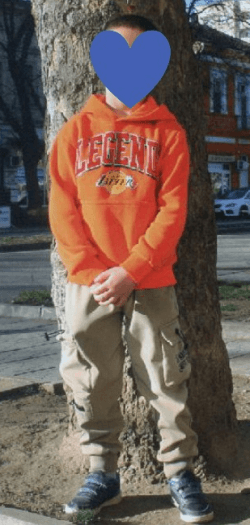
Grant funds depend on available funding; the link above, shows the current available amount. To inquire about this child, email childinquiry@reecesrainbow.org ***
Mason enjoys playing football, active games, and video games. He also likes keeping his personal space clean and organized and takes pride in choosing his clothes and looking his best.
Mason is curious and eager to learn. He does well at school and has age-appropriate intellectual development, although he benefits from clear instructions, encouragement, and support when he becomes frustrated or discouraged. Building trust is very important to Mason. He may be cautious with new people and needs time, consistency, and patience to feel safe and comfortable. Once trust is established, he is able to form meaningful relationships and express his emotions.
Mason would benefit from a loving and patient family who can provide consistency, reassurance, and a safe environment where he can build trust and develop a strong sense of belonging. He hopes to have a family who will accept him for who he is and provide the support and care he needs to thrive.
Kali #

Grant funds depend on available funding; the link above, shows the current available amount!
To inquire about this child, email childinquiry@reecesrainbow.org ***
Kali is a sweet, imaginative, and sociable girl who enjoys spending time with both children and adults. She is kind, polite, and enjoys participating in conversations and group activities.
Kali is active and enjoys physical activities, music, outdoor play, and creative activities. She has a wonderful imagination and especially enjoys play-based and hands-on activities.
She is doing well with her daily routines and continues to develop her independence. At school, Kali benefits from additional support, clear instructions, and encouragement. She responds especially well to individual attention and positive reinforcement.
Kali enjoys building relationships with others and is described as caring and empathetic. She may need patience, reassurance, and emotional support as she adjusts to the idea of adoption.
Kali would benefit from a loving, patient family who can provide consistency, encouragement, and a supportive environment where she can continue to grow in confidence and independence.
Dolly #

Grant funds depend on available funding; the link above, shows the current available amount!
To inquire about this child, email childinquiry@reecesrainbow.org ***
Dolly can be a little shy and sometimes prefers to spend time on her own, but she enjoys connecting with others and has a positive attitude toward adoption. She enjoys learning and is able to write from dictation, although she works at a slower pace.
Dolly would benefit from a patient, loving family who can provide reassurance, encouragement, and a safe, supportive environment where she can continue to build confidence and thrive.
Danny and Daisy
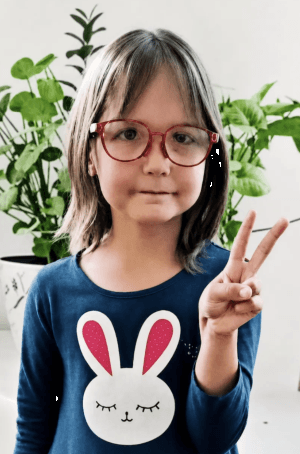
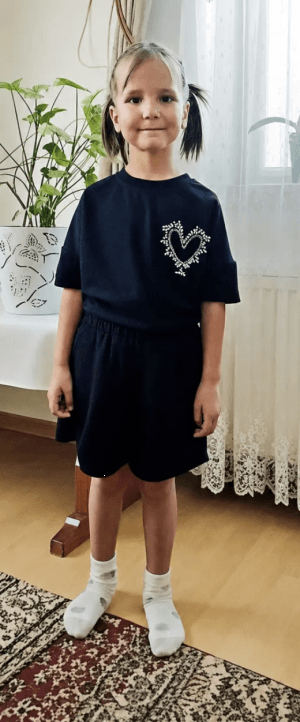
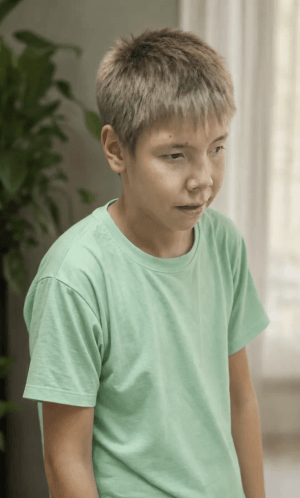
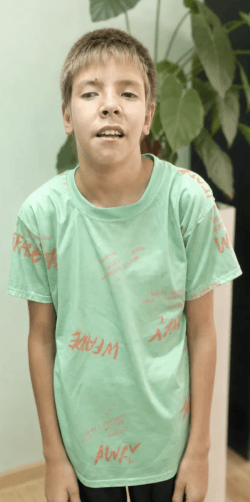
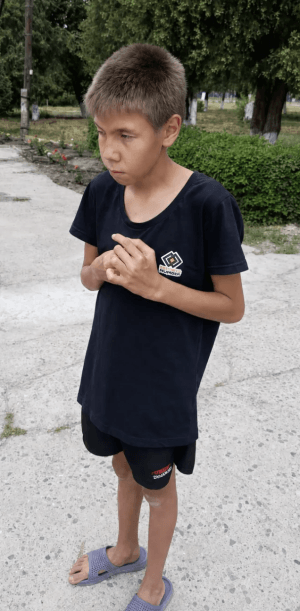
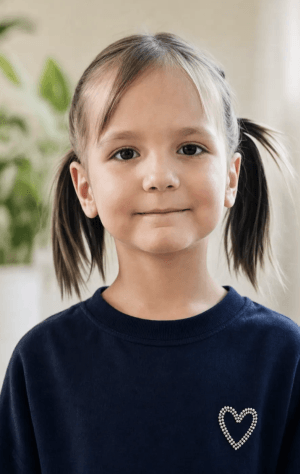
Daisy Diagnosis: flat/valgus feet, mild hypermetropia of the right eye, mild astigmatism of the left eye.
Danny is described as a friendly boy, likes attention. He tries very hard to do his best at school but his delays make it challenging.
Daisy is developmentally on target. She is a sweet and curious little girl, she loves interacting with kids and adults.
Fine motor skills are somewhat delayed, particularly in activities requiring manipulation of small objects—such as drawing, cutting, and gluing. In the cognitive domain, Daisy shows interest in the world around her. She can count to 10, knows the basic colors and geometric shapes, and distinguishes between animals and household items. She is able to assemble simple puzzles and play with construction sets. A mildly slowed pace of task completion is associated with motor difficulties. Daisy speaks in simple sentences, retells short stories, and learns poems and songs. She understands adult speech and follows instructions. Although she shows interest in other children, she struggles to follow the rules of group play.
Based on vision diagnostics, glasses were prescribed for permanent wear. A follow-up examination by an orthopedist led to the replacement of her shoes with more appropriate orthopedic footwear, selected based on her current condition and foot size.



