
These beautiful children have already waited so long for a family to call their own! Every year it gets harder and harder to find experienced adoptive families for them. Your donations make it possible to re-write the course of their lives.
Donate online via Paypal or send a check to Reece’s Rainbow, PO Box 146, Combined Locks, WI 54113
*Your gift will serve ALL of the children, as 10% of each waiting child donation is shared with our Voice of Hope fund as well!
Want to be a Prayer Warrior for any of these children? Click here!
Alden
Rhett
Leo
Leo has a calm and affectionate demeanor, showing stable moods and good spirits most of the time. He easily established a close relationship with the adults in his life, accepting physical contact and seeking affection and security from his caregivers. With his peers, he participates more peacefully in group games, having developed skills in waiting, sharing, and respecting rules, showing greater self-regulation. He is more willing to listen, understand, and follow instructions. There are no reports of regular aggressive behavior or tantrums, and it is possible to observe a growing effort on his part to manage his emotions and frustrations.
Leo is a sweet and curious child who shows interest in various recreational activities, such as riding a bike and scooter, jumping on the trampoline, and playing with cars. He likes to try new foods and textures and is receptive to food. He is becoming increasingly independent in his daily routines, enjoying being involved in them and seeking to help adults.
Leo has a brother, they have a very close and affectionate brotherly relationship. As no adoptive family has been found willing to adopt the brothers together, separate adoptions are being considered.
Dirk and Kaleb
Their shared experiences have created a strong emotional bond, with Dirk often serving as a protective and guiding figure for Kaleb. Both children benefit from continuity, structure, and the support of a stable environment, which helps mitigate the impact of early family instability.
Dirk, the eldest, is curious, active, and cognitively capable, though he requires support with emotional regulation and school learning. Kaleb is affectionate, gentle, and developing independence, thriving in predictable and nurturing settings.
The siblings are covered by a Judicial Trust Measure with a View to Future Adoption, finalized on 10/30/2025, and joint adoption is considered the best path forward to preserve their relationship, provide emotional security, and ensure a stable future for both.
The ideal family would offer emotional stability, structure, and consistency, supporting Dirk’s and Kaleb’s individual needs while keeping their sibling bond intact—a source of protection, comfort, and belonging for both.
Jay, Martin and Ian
Jay’s psychological assessment shows above-average intelligence. However, he tends to become easily frustrated and distracted, and benefits greatly from positive reinforcement to complete tasks and support his self-esteem. Jay has been diagnosed with ADHD.
Martin is 7, he interacts well with both peers and adults. He is described as friendly, affectionate, and somewhat stubborn, displaying occasional oppositional behavior. He benefits from an assertive and consistent approach from adults and requires positive reinforcement to complete tasks and boost self-esteem. His psychological evaluation shows average cognitive functioning.
Martin has a history of sleep disturbances and oppositional behavior. He currently takes melatonin and risperidone, which have improved his sleep and behavior stability. Medically, Martin underwent adenoidectomy and bilateral myringotomy in November 2023 and continues ENT follow-up due to a ventilation tube in his right ear. He wears glasses for astigmatism and is followed in Ophthalmology. He also attends speech therapy.
Martin is described as emotionally immature, showing attention-seeking behaviors likely linked to early emotional neglect. While initially reserved, he eventually engages warmly and responds well to structured interaction.
Ian is nearly 6 years old. He is a cheerful, affectionate, and communicative child. He attends kindergarten, where he engages positively with adults and peers. Like his brothers, he seeks attention and affection, and shows signs of emotional immaturity—likely the result of early emotional abandonment.
His developmental assessment showed results within the expected range for his age. Ian is described as enthusiastic and motivated, both in structured tasks and in everyday interactions. He responds warmly to attention and maintains appropriate eye contact and spontaneous speech for his age.
Ian was referred to Neurosurgery for dolichocephaly, but surgery was not recommended as the condition does not affect cognitive development. The team attempted to obtain a second opinion, but there has been no follow-up from the consulting doctor. He was also discharged from ENT in March 2024 after an adenoidectomy, and continues to be followed in Ophthalmology for astigmatism, wearing glasses since December 2022. He currently attends speech therapy.
Jay, Martin, and Ian have not had the opportunity to form attachments to parental figures. Instead, their primary psychological and emotional bonds are with each other. As such, joint adoption is strongly recommended to preserve their emotional security and sibling connection.
All three boys have been informed about their adoption plan and have welcomed the idea. They no longer reference their biological family and are beginning to show anxiety and anticipation about the arrival of their new family. During their first meeting with the adoption team, the strong bond among the siblings was evident.
Jaeger
In December 2023, Jaeger was placed under a foster care protection measure. In August 2024, he transitioned from a foster family to a foster care center, where he continues to grow in a safe and supportive environment.
Jaeger has been diagnosed with Autism Spectrum Disorder and receives ongoing care from specialists in neuropediatrics, psychology, genetics, ophthalmology, and otolaryngology. He participates in weekly therapies including music therapy, speech therapy, occupational therapy, and psychomotor therapy. These interventions have led to significant progress, particularly in language development, daily living skills, and emotional growth.
While Jaeger is still developing motor skills appropriate for his age, he can walk, run, climb, and descend stairs. He continues to work on spatial awareness, movement imitation, and spatial orientation. He also experiences challenges with sleep rhythms, which are managed with medication.
Jaeger thrives in structured, predictable environments and benefits from consistent, loving care. His journey shows incredible strength, and he is ready to find a permanent family to support his growth, learning, and emotional development.
Andrew
Andrew regularly receives physiotherapy, occupational therapy, and speech therapy. He continues to receive follow-up care in neuropediatrics and orthopedics, including the administration of botulinum toxin due to stiffness in the upper limbs. He has hip dysplasia, currently without pain, and underwent surgery for hip stabilization on September 1, 2025. He also continues to receive care in nutrition, ophthalmology, physical medicine, and rehabilitation.
Andrew has a good relationship with both other children and caregivers. In his interactions, he verbally communicates his needs and interests and is able to express discomfort or displeasure.
Andrew is a communicative and expressive child with a reasonable vocabulary and the ability to construct sentences, including negative and interrogative forms. He repeats and learns new words; however, he needs support to improve articulation and diction. To support this, syllabic division exercises are incorporated during games and storytelling activities. He demonstrates a good understanding of his surroundings and, with individualized adult guidance, is able to focus his attention on tasks and interpret simple content.
In the area of autonomy, although Andrew is dependent on adults for his daily routines, he enjoys being involved and participating in tasks. He helps tidy up toys and materials and eats independently at mealtimes using cutlery. He shows greater ease in using a spoon but is also able to use a knife and fork. He can drink independently from a cup or mug.
It is not expected that Andrew will be able to walk; therefore, he uses an electric wheelchair. He demonstrates good autonomy in operating the joystick with his right hand and maneuvers the chair with ease (e.g., anticipating obstacles, navigating around them, reversing, and turning left or right to avoid collisions with people or objects). He has a clear sense of space. The acquisition of the electric wheelchair has been fundamental in supporting Andrew’s autonomy in locomotion. During the summer, he independently accompanied the group on several outings. Additionally, using the electric wheelchair, he is able to accompany an adult while carrying out small tasks (e.g., going to the supermarket or pharmacy).
Despite difficulties with fine motor skills, Andrew shows persistence and interest in exploring objects, toys, and new materials. He enjoys matching and fitting games, stacking objects, and painting with pencils, markers, or brushes using a gross grasp. With assistance, he participates in collage and tearing activities. In drawing, he currently scribbles and does not yet represent the human figure. He also enjoys handling books and is able to turn pages independently to observe the illustrations.
Andrew transitioned to the public preschool network in the 2025–2026 school year following a request for school postponement. According to information provided by his teacher, Andrew adapted well, integrated into daily routines, and maintained positive interactions with adults and peers. However, the teacher noted that Andrew experiences difficulties handling tools during writing and artistic expression activities and is not yet able to perform a fine pincer grasp. As a result, he shows limited autonomy in completing more structured tasks and may resist finishing them (e.g., giving up or becoming distracted). He will soon be evaluated by the technological resources center for possible allocation of an adapted computer.
Goliath
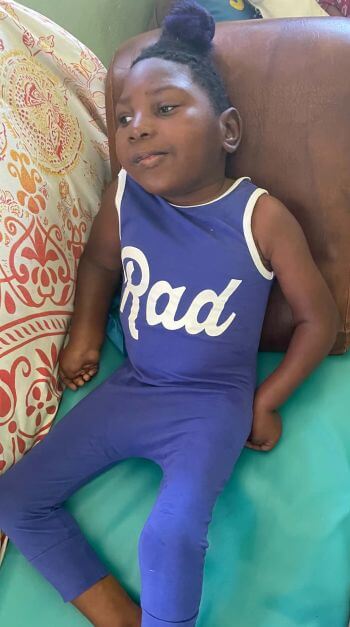
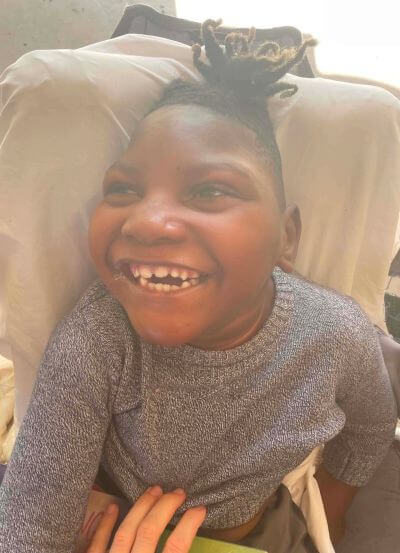
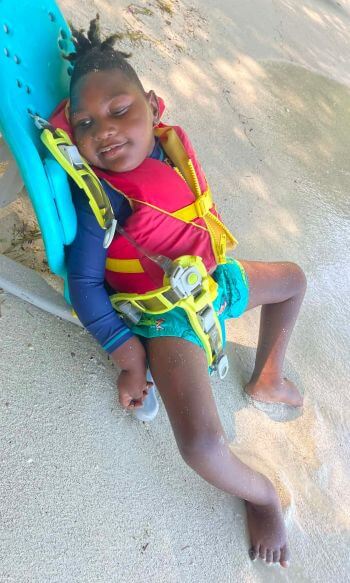
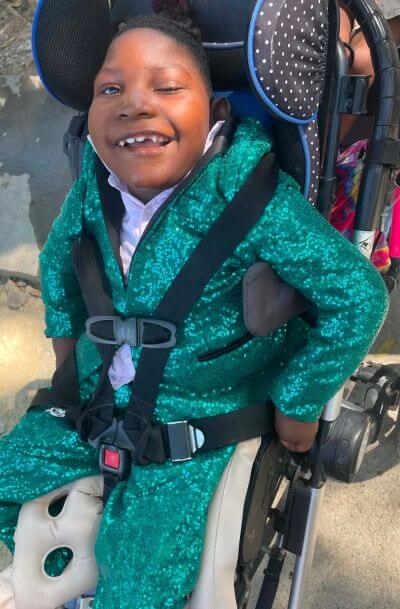


He is a great eater with either blended or soft foods, but not great at drinking liquids. He has a lot of small seizures throughout the day, but is on the max amount of seizure medication that can be found consistently in his country.
In school and therapy he does a lot of sensory activities and is working on using his arms for purposeful movement. He has a stander that he likes to use while playing his toy piano. He doesn’t have an advanced way to communicate yet as he is blind and doesn’t have much purposeful movement but he does let us know when he is happy, mad, or would like something. He mostly only gets fussy sometimes at night time when he wants to be rocked to sleep, when he has to take baths, or when he thinks his food is too spicy.
Update July 2026:
Goliath is growing big and strong while he waits for his forever family. He is getting happier and more interactive in little ways unique to him all the time. Forever the baby of his house, he still loves all of the things mentioned in his previous update- with his all time favorites still being cuddles and jumping on the trampoline. He loves being included in everything and would thrive in a big or small family- around lots of chaos or enjoying soaking up all the cuddles by himself.
Goliath now has a g-tube but still eats small amounts by mouth for fun! Chocolate is his favorite. He is sleeping through the night more, and is very easily comforted when he is fussy.
At school, he is working on increasing his engagement with sensory activities and using his arms more purposefully during play and learning. He especially enjoys when his teachers help him paint or explore sensory materials such as shaving cream. His primary form of purposeful movement is kicking his legs when he knows someone is sitting beside him on the couch. He is quite strong and either manages to move himself a little bit when doing this or at least make the person sitting by him pay him lots of attention :).
He needs access to better medical care for his seizures as he is on the max amount of medication his country has available but still has many small (2-5 second) seizures per day.
Jimmy #
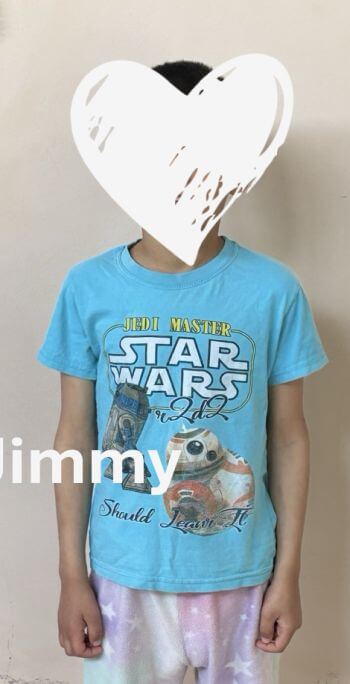
Jimmy has significant developmental and intellectual delays and requires assistance with most daily activities, including communication, self-care, and personal hygiene. He is nonverbal and communicates primarily through vocalizations, gestures, and his responses to familiar people and routines. While he does not actively seek out interaction with peers, he responds positively to consistent care, attention, and nurturing relationships.
Physically, Jimmy is healthy and has no motor impairments. He enjoys sensory experiences, including time in a dry pool, tactile activities, ball play, and jumping on a trampoline. He is curious about his surroundings and benefits from hands-on exploration and sensory-based activities.
Rowand #
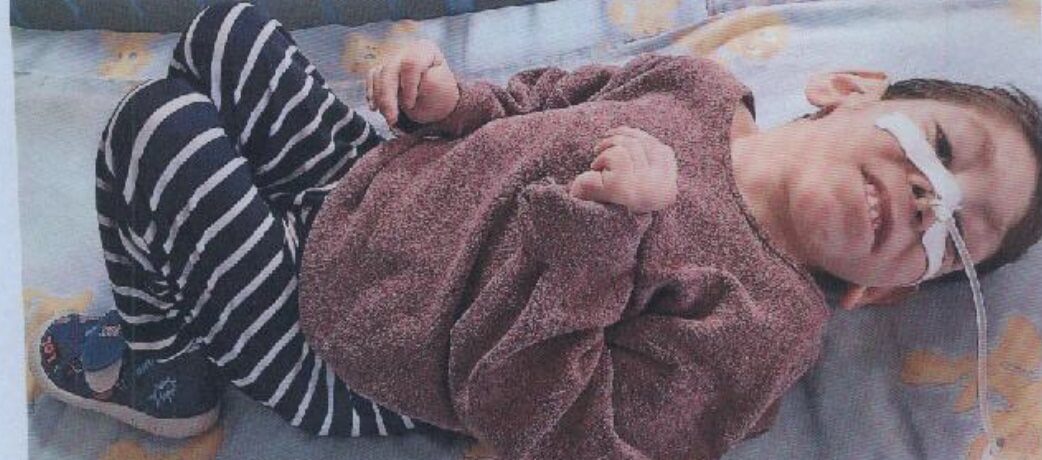
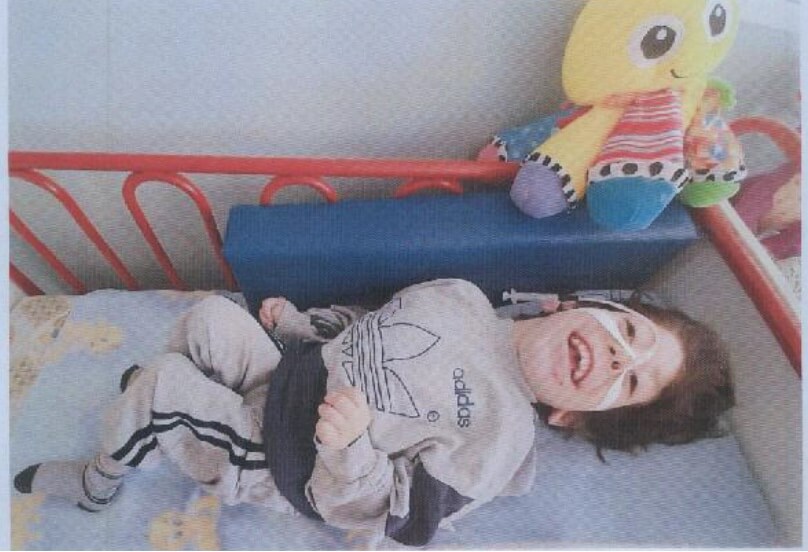
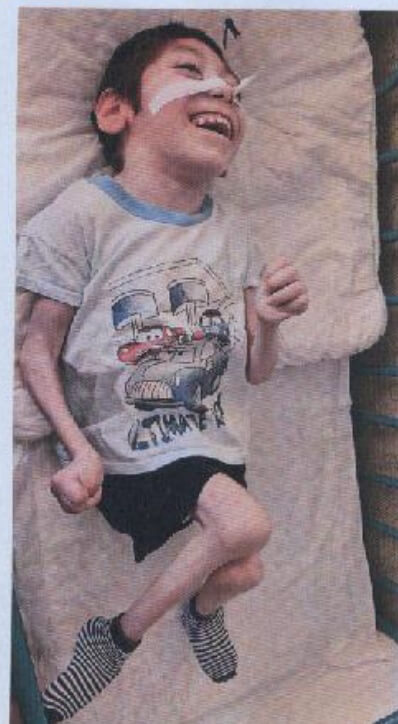
Rowand remains in a lying position and is motor-passive. He tolerates interactions – tactile, verbal, musical. He does not initiate interaction when he is awake but remains calm. The boy reacts by crying in moments of discomfort. He reacts to sounds and movement around him.
Rowand is fully dependent on the care of adults. He requires constant specialized care for feeding (via NG tube), body positioning, and systematic motor rehabilitation.
Dirk and Samantha #
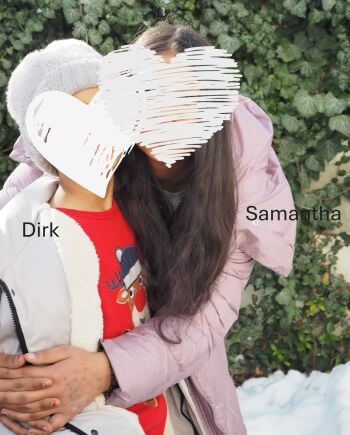
Grant funds depend on available funding; the link above, shows the current available amount. To inquire about this child, email childinquiry@reecesrainbow.org ***
Samantha (14) and her younger brother Dirk (6) share a special bond and are hoping to find a loving forever family together.
Samantha is a thoughtful and friendly girl who enjoys reading books, listening to music, and spending time with friends. She is doing well in school and has a warm, sociable personality.
Dirk is an energetic and playful little boy who loves riding his bike, drawing, doing puzzles, and playing outside. He has a great imagination and dreams of becoming a policeman one day.
Both children have a positive attitude toward adoption and are hopeful about finding a family who will welcome them both with love and support. Keeping these siblings together is very important to them, and they would thrive in a home where they can continue to grow side by side.
Ethan and Zariah
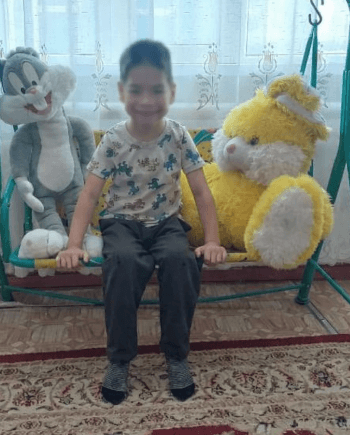
Grant funds depend on available funding; the link above, shows the current available amount!
To inquire about this child, email childinquiry@reecesrainbow.org ***
Special needs: pulmonary artery stenosis, tetralogy of fallot, developmental disorder, speech delay, acute malnutrition.
Zariah is 11 years old. She is a quiet and kind-hearted girl. She plays well with other children. She is developmentally delayed and will need help to reach her potential. She wants to be adopted.
Special needs: developmental disorder, speech delay.
Kevin

Developmental Evaluation: mild to moderate delays in the gross motor, fine motor-adaptive, language and personal– social skills
The agency has pictures available for seriously inquiring families — Kevin is ADORABLE!
Kevin is an adorable and friendly boy who can confidently play with familiar children the neighborhood. Kevin hums when he hears music or when he is watching television. He enjoys watching nursery rhymes on YouTube. Kevin is diagnosed with autism and with global developmental delays that include language and cognitive impairments. He also has microcephaly and an absent sagittal suture. Kevin has mild to moderate gross motor, fine motor (adaptive), language, and social skills. We’re hoping there is a special family out there for this precious boy! Could that family be yours?
Dakota and Robin
Grant funds depend on available funding; the link above, shows the current available amount!
To inquire about this child, email childinquiry@reecesrainbow.org ***
He is physically fit and eagerly participates in all activities: bike trips, swimming, and bowling. He is a very bright boy and has no behavioral issues. He has a very good manners and rich vocabulary. He is a student of the 4th grade this year. He made a good progress at school and his motivation just visibly increased. The boy attended remedial classes at the clinic, made great progress in education, and his motivation to learn at school has visibly increased. He is good with writing, can solve the math problem and has difficulties with memorization. He feels good of being an “expert”, then he can be very involved and eager to act. He is polite and helpful at the place he lives, he treats the staff with respect, and he has an empathy toward young kids. He has many friends who appreciate his sensitivity and empathy, as well as his sense of humor.
Robin’s joy and carefree nature are sometimes overshadowed by a longing for someone close to him, for whom he would be important and special. He hides his emotions behind a tough exterior, but inside he is fragile and delicate. He lacks love and affection, which he compensates by hugging his teachers when he greets them.
Dakota: FAS suspected, microcephaly, facial dysmorphia, low weight, history of trauma and neglect
Dakota is a healthy, charming and cheerful girl. She is open and kind and eager to play with her peers. She is in the first grade this year. She has a vision impairment and wears glasses: -0.75 in both eyes. According to her teachers, she can be forgetful, has problem with concentration and needs to be motivated. However, she is eager to learn, work fast, she and is active in class. She is very artistic, likes to sing and dance. Often, she will come up with ideas of choreography, grab the microphone, and sing.
Dakota has an age-appropriate knowledge about the world around her, but her cognitive development is below average. She also struggles with math, and her results are lower than normal. She was tested for FAS and according to her pediatrician, she doesn’t meet the criteria for FASD. She is underweight, has microcephaly, and moderate facial dysmorphia.
For some time, the siblings were placed in two different institutions but since January 2026 they have lived at the same place. They are very close and Robin cares about his sister a lot. Since this year, they have been in the same institution. They are very close. Robin is a caring brother to Dakota.
The caregiver describes them as a very good and unique children. The brother is very mature for his age. They are both eager for being adopted. The boy has a plan in his head of what he wants to do with his new family, and his sister is dreaming of a good family who will love her. They want to be adopted together.
Milo #
Bowen #


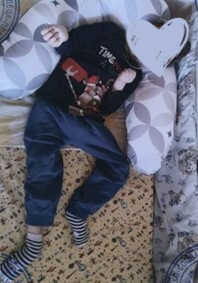
Bowen lags behind in all aspects of his development. He makes sounds, but does not have any functional communication. He does not appear to understand what is said to him. He does respond positively to touch at times. His report indicates that he has difficulty accepting any type of change in his environment.
Griffin

Boy born March 2020 in Eastern Europe
This young boy has been living with a foster family for more than 12 months. During this time, very positive developmental changes have been observed in every area: objections have been replaced by agreements; negative behavior towards other children by friendship and agreements; distraction during tasks (writing, drawing, chores, etc.) by concentration and interest. In kindergarten, the boy sometimes completes tasks from start to finish without the help of an assistant. Hysterical fits have been replaced by emotion management and the ability to find out why he is angry (by asking questions and communicating). The boy’s speech has also become more coherent and his vocabulary richer. However, speech therapy sessions are still needed and will be needed in the future. It is observed that he does not yet have a sense of self-care and does not feel full when eating.
He is completely restricted from screens (except in the educational institution) while living with the foster family. They have been observed to have a negative impact on the child’s emotional state. Spending even a small amount of time in front of any type of screen makes him very irritable and emotionally unstable. Toys that make loud, noisy noises, flickering lights (guns, robots, etc.) also make him emotionally unbalanced. He is mobile, enjoys sports and has been attending a football club since October 2024. He has severe special educational needs and needs support from a speech therapist, special educator, teacher‘s assistant and psychologist is very curious. He likes to travel, visit and socialize. He is independent and is learning to manage emotions. When calm, he can usually explain the reason for anger. Often keeps agreements. Establishes friendships with peers, has some ability to play common games. His favorite activity is building legos. He is diagnosed with post-traumatic stress disorder, which sometimes results in a regression in behaviour and emotions.
Diagnosed with mixed specific developmental disorder, post-traumatic stress disorder, unspecified behavioural disorder.
Vance, Shay, and Kole


Grant funds depend on available funding; the link above, shows the current available amount. To inquire about this child, email childinquiry@reecesrainbow.org ***
These three kind and joyful brothers share a close bond and long to be adopted together. Despite living in separate foster homes, they see each other often and treasure every moment spent playing, celebrating, and growing side by side. Kole is responsible and sociable, Shay is caring and thoughtful, and Vance is curious and full of wonder.
All three are healthy, independent in their routines, and eager to join a loving forever family where they can be reunited and thrive together.
Tyson #


Tyson was born premature and had several complications after birth. He can sit on his own with good balanced reactions. He crawls following the correct motor model. He stands up and walks sideways vertically. He can walk when one of his hands is held and has more control when it’s his right hand being held. He can stand up straight without falling for 2-3 seconds. When walking with a walker, he begins to bend his knees. He purposefully grabs a toy that is handed to him and can switch it from hand to hand. He shows an interest in musical toys and enjoys them. He has started making sounds and simply syllables such as “ma-ma”. He enjoys having someone sing to him and likes to receive hugs. He eats from a spoon. His overall development is delayed.
Photos and videos from August 2020 are available through the agency.
Ashton


NEW VIDEOS:
https://vimeo.com/maaspecialkids/maa-ashton3
https://vimeo.com/maaspecialkids/maa-ashton4
https://vimeo.com/maaspecialkids/maa-ashton05
Password: Adoptmaa
OLDER VIDEOS:
https://vimeo.com/maaspecialkids/maa-ashton1
https://vimeo.com/maaspecialkids/maa-ashton2
Password: Adoptmaa
Chuck

6-year-old Chuck is described as an energetic and curious boy with a lively personality. He is attached to his caregivers and teachers, and tends to prefer adult relationships over playing with other children. Chuck was originally cared for by his parents, both in their 40s, as a baby. Sadly, his mother became terminally ill and she asked her friend to care for him before she died in May 2020. His mother knew his father would not be able to care for him, and ultimately, his father soon died as well in September 2020. After the father’s death, the friend brought him to authorities and said she could no longer care for him, and no other relatives accepted care of him. It is known that his mother had two children previously—one that is an adult with an unknown disability, and another child who is a teenager and lives with the mother’s younger sister in Indonesia. Unfortunately, Chuck has had a few different placements, including being moved from one children’s residential home after it was determined that five different caregivers had physically abused him.
In May 2021 at the age of 27 months, Chuck had a cognitive functional age of 17 months. He has shown slow progress over time. During the October 2024 visit by the social worker, he was able to identify shapes, name colors and select certain colored pens from a group, but occasionally struggled with matching colors correctly though he has significantly improved since previous visits. A psychologist noted in October 2024 that he is able to learn basic concepts one at a time, but struggles to learn multiple things simultaneously and often forgets what has been learned the previous day. They will evaluate his developmental progress. Even though he has problems remembering what was learned, he has a strong memory in daily life matters. While at the age of 2 years old, Chuck was noted to have significant delay in both gross and fine motor skills, Chuck has shown improvement in both areas. As of August 2024, he could walk independently, jump with both feet, and throw balls/beanbags; however, he still needed help climbing stairs and balancing on one leg. While he used to loose his balance and fall when walking, he is now steady without assistance. With regard to fine motor skills, he can thread beads, unscrew bottle lids, hold a pen to connect dots, and is learning to draw vertical and horizontal lines. Tasks that involve hand coordination such as folding paper, fastening buttons and using scissors are areas he struggles in, but he is receiving therapy services. CHI is seeking updated information on his skills.
Chuck wears glasses due to astigmatism in both eyes as well as refractive errors. He has normal hearing. When he was 2, he was noted to have significant speech delay, but this too has progressed substantially. At the age of 4, he was mainly using single words or sometimes very short phrases, but by August 2024 he was able to express his needs and wants in simple sentences as well as being able to respond to questions. As stated above, CHI is seeking updated information.
While Chuck has learned to express his needs and wants with words and simple sentences, he still gets frustrated and cries or sometimes has a tantrum when he is upset over something. It has been found that he responds well to tangible rewards and consistent boundaries to help him learn to manage his desires and emotions when he can’t have something he wants and to know what to expect. Chuck is sensitive to loud noises which leads him to be hyperalert and scared. Chuck is also afraid of unknown males and of dogs. However, once he knows a man he is more at ease around them.
Currently, Chuck is scheduled for testing regarding suspected Attention Deficit/Hyperactivity Disorder due to observed behaviors and tendencies and also suspected Autistic Spectrum Disorder due to hypotonia in his legs, for which his also getting an MRI and genetic testing.
Augustus #


The child’s lower and upper limbs are highly spastic and are with diffuse muscle hypotonia. His fine motor skills are not developed. He does not grasp a toy given to him. Atanas holds his hands bent in fists. He is seriously delayed in his psychomotor development. The boy reacts to tactile stimulation by adults. When teased, he does not smile. He is unable to interact with the other children. Atanas depends completely on the care provided by adults. He is fed by a bottle. From time to time he cries when given a shower. He sleeps well.
Nelson & Nellie

Twins Nelson and Nellie are six years old. They were born to a teenaged mother who was in protective care herself. Given specific familial concerns that will need to be discussed with interested families, the children were placed into foster care together and eventually were deemed in need of an adoptive family. There is no history of abuse with these children.
Nelson is overall healthy and does not have any medical diagnoses nor does he take any medication. However, while his motor development is age-appropriate, he has a mild language delay. Nelson is able to pay attention and communicate with others, but he has an impairment in his ability to pronounce words and complete sentences with difficulty pronouncing “l” sounds especially. He is receiving speech therapy. His profile indicates a learning delay “considering the developmental scale he is currently in” and recommends stimulation, but there is not a specific diagnosis given. He does not show any difficulty processing sensory information. He is receiving occupational therapy and psychiatric follow-up for a “diagnostic impression of Unspecific Conduct Disorder” but he does not have an official diagnosis. He does not react well when given limits and sometimes throws tantrums when he is not able to do something he wants to do. He does not have any social development concerns, though there are time he prefers to play alone while other times he plays and interacts with his peers.
Nelson is an affectionate child who is able express his emotions to others. He is attached to his foster parents and appropriate seeks their attention and approval when completing tasks. He tends to allow his sister to lead him and to be the dominant sibling in the relationship. It saddens him when he cannot play with her or is separated from her (normal daily temporary reasons, not separated with regard to where they live).
Nelson enjoys playing with cars, dinosaurs and balls. He loves going to the park, playing sports—especially soccer—with his classmates, and he is noted to be a skilled painter.
While Nellie also does not currently have any physical/medical diagnoses, she is being evaluated for Autism Spectrum Disorder. A psychiatric evaluation appointment is pending due to testing showing sufficient criteria for a diagnosis of Autism Spectrum Disorder, but a thorough evaluation is needed to determine a diagnosis. Symptoms noted including persistent language development delay, attention lability, motor restlessness, stereotyped behavior, limited eye contact, and difficulty in understanding directions. A pedagogy evaluation appointment is also scheduled. Nellie displays behavioral concerns, especially with regard to her schoolwork. She is resistant to doing schoolwork (though she is capable to do the work) and to obeying the rules and limits of the classroom. At home, she has resisted doing homework and even has scribbled on her notebooks and thrown them on the floor. At her previous early childhood educational program, she also showed behavioral difficulties and difficulties recognizing authority figures, trouble staying involved in activities and a preference for more open areas of the institution. She cries when she is not allowed to do something she wants to do. However, she is able to play alone or focus on tasks she wants to do such as playing with dolls or dancing.
Nellie’s motor development is age-appropriate. She does not have any difficulty processing sensory information. Like her brother, she is able to communicate but has difficulty with word pronunciation—especially in pronouncing the “l” sound. Socially, she is able to establish relationships with other children and plays with others. Despite her behavioral concerns, she is noted to usually have a good disposition, be cheerful and integrated with her foster family. Her foster family has been given instruction on how to help improve her behavior and there has been progress made.
Nellie is strongly attached to her foster parents and her brother. She is able to give and receive affection with them and sometimes exhibits jealousy when the foster mother shows affection toward other children in the home. She seeks approval from her foster parents and from others with whom she has an emotional bond. Nellie is the more dominant sibling and takes the initiative to ask for things for both herself and her brother.
Nellie finds joy in playing with her dolls and receiving affection from those she is close to. She is an expressive child who engages in caregiving role-play. She likes wearing dresses and having bows in her hair. She enjoys and is good at dancing and singing, and also likes playing with toys, going to the park and watching television.
Emeric #

Vernon #


Update 10/24
He has several special needs including congenital internal hydrocephalus and spina bifida aperta (thoraco-lumbar). Vernon is undergoing daily rehabilitation. His condition is monitored by a pediatric neurologist, a neurosurgeon and a pediatrician.
Vernon can turn independently from his back to his stomach and vice versa. He has good head control. He can purposefully grab a toy and hold it. He enjoys personal attention from an adult, laughs loudly at teasing and reacts with displeasure when left unattended. He is mostly calm. No aggressive behavior was recorded. When he is called by name, he turns toward the direction of the sound. He reacts to a noise stimulus. He speaks syllables and long sound combinations.
West


VIDEO:
https://vimeo.com/manage/videos/1065191610
Password: Adoptmaa
Agency fee reductions may be available based on the adoptive family’s circumstances (with a specific adoption agency).
Brandon #

Please meet Brandon; he has multiple special needs. Sadly Brandon relies totally on the care of others. He sleeps in a room with four other children. The caretaker says he seems to like music and likes the bath. He can make some sounds for speech. He has difficulty feeding and swallowing.
The agency staff member that met Brandon said the following: “According to the caretaker, there is a slight regression, especially in terms of feeding. Unfortunately, I have not been given an opportunity to speak to any of the specialists engaged with the boy and possibly what exactly they are working on. Brandon could have some potential, but it’s very hard to tell. In any case, he needs a lot of love, a lot of attention and a lot of activities.” Could you be the family for Brandon?
Idris #

The child has severe lag in physical and neuropsychiatric development. Severe mental deficiency. Needs systematic motor rehabilitation, classes with a speech therapist, psychologist and typhlopedagogue. Weak rehabilitation potential. Followed by a pediatric neurologist and ophthalmologist.
The child can turn from back to stomach and back. Does not crawl, does not sit independently, does not have a four-legged stand. Does not stand up, holding on to a support. Holds a toy placed in the hand for a short time. Lacks a pincer grip. The average mental age of the child corresponds to 3-5 months. The child is mostly calm with accompanying episodes of irritability, expressed through crying. Quickly calms down by the presence and attention of an adult. There are no indications of aggressive behavior or manifestations. Does not utter words, syllables and sound imitations. Does not turn when called by name. Does not initiate contact with other children. The child is completely dependent on the care of an adult. Takes food from an adult with a spoon (less often from a bottle). Falls asleep independently.
There is evidence of a brother with an autoimmune disease – Alopecia areata.
Eric

Photos are available through the agency for qualified families.
Sammy

Angelo


———————————————————–
So excited we have permission to share Angelo’s pictures!
Angelo likes playing with bubbles and painting with tempera. He enjoys crafts and exploring the different materials and textures. Angelo also likes building towers and playing in water. He is described as social and showing great interest in everything that happens around him. He is a great observer.
Angelo is able to kick a ball forward with help, throw a ball over his shoulder and catch a ball with rebound most of the time. He is able to pedal a tricycle and climb the stairs with help. He is able to undress. His motor coordination is good, which makes it easier for him to string objects. Angelo has a good understanding of orders and knows and recognizes language. Contact the agency to learn more about Angelo and his medical needs!
NEW VIDEO:
https://vimeo.com/maaspecialkids/maa-angelo2
NEW VIDEOS: 10/2024
https://vimeo.com/
https://vimeo.com/
https://vimeo.com/
https://vimeo.com/
Password: Adoptmaa
Dawson, Dahlia, Addison #


Grant funds depend on available funding; the link above, shows the current available amount!
To inquire about this child, email childinquiry@reecesrainbow.org ***
Introducing an amazing sibling group of three from Eastern Europe: Dawson, Dahlia, & Addison. After an incident in the home of the family on 14 March 2022 the boy received a first degree burn on his face and arms. Six surgeries have been performed, with one of them using the child’s right thigh as a donor site. He was discharged on 04/05/2022 and he was placed together with his sisters, Dahlia and Addison, in an emergency unit. The parents desired for the children to be brought up in a foster family. After a matching period, Dawson, Dahlia, and Addison were placed in a foster family. Contacts between the parents and the children were being performed once a month.
Later, in a multidisciplinary meeting with the Director of Social Assistance on 11/07/2023, it was decided that the children are to be registered in the registry for Adoption and their contacts with the biological family have been discontinued. The children have experienced the trauma of having lived in an abusive home, but otherwise are healthy, beautiful children.
Kalin

Kalin came into care as a baby when his mother brought him to the hospital and it was discovered he was in poor condition. He had a high fever, was malnourished, had a diaper rash and was noted to have overall developmental delay as well as cataracts. His mother was an older teenager and she had not sought any care for the medical condition he had had at birth. Kalin was 5 years, 8 months old at the time of this report from July 2024. Kalin´s current diagnoses are autism, unspecified asthma, congenital cataracts, and overall developmental delay. He takes daily medication. Kalin still wears diapers during the day and night.
Kalin is not formally enrolled in school. He has been diagnosed with autism and unspecified overall developmental delay. He currently goes to physical, occupational, speech, and psychological therapy. The psychiatrist recommended the foster mother take the child to school gradually. He goes to pre-k two days a week and for just a couple of hours. At first, he did not want to stay there but over time, the foster mother states that he is used to going to school and enjoys his time there. He loves toys that make different sounds, and he can play alone for more than 15 minutes.
There are no major concerns regarding Kalin´s gross motor skills, and he is still improving his fine motor skills. Since he is now used to wearing his glasses, this has helped him with his sense of feeling safe to perform different physical activities. He is starting to talk with some difficulties; however, through sounds and facial gestures, it is easy to understand what he wants. He has begun to imitate the sounds of some animals. Kalin is able to identify people´s emotions by looking at their facial expressions. He is able to give and receive affection with those he is familiar with, and he does not get jealous when his caregiver pays attention to other children. He is not shy—whenever he arrives at a new place, he explores his surroundings interacting with adults or kids. At times, Kalin gets anxious when he wants to play with something but needs to wait. Sometimes he gets upset when he is hungry and his food is not ready or he needs to wait for it to cool down. He is afraid of sudden loud noises.
Kalin enjoys playing with toys that make music. The child´s favorite food is spaghetti with chicken or ground beef. He is interested in musical instruments.
Jean-Luc #

Diagnosis: Pyruvate dehydrogenase deficiency – homozygous for mutation p.R446 (disorder in the metabolism of pyruvic and gluconeogenesis). Microcephaly. Epilepsy.
A male child, born 2460 g., with a congenital genetic metabolic disease (pyruvate dehydrogenase deficiency), leading to a disorder in the absorption of sugars and carbohydrates. The child is on a strictly individual ketogenic diet (rich in fat and completely excluding carbohydrates). He is fed with special diet milk – Ketocal.
When conducting electroencephalography, epileptic activity was registered, which is why constant anticonvulsant therapy with Trileptal is being carried out. No epi-seizures have been observed after its initiation.
The child lags behind in physical, neuropsychiatric development and motor skills. He needs follow-up by a pediatric endocrinologist and dietician and a pediatric neurologist.
The boy has pronounced axial muscle hypotonia, hypertonia of the limbs. He sits up independently, but still does not stand up in the crib. He is placed in a walker and permanent rehabilitation is carried out. He is calm, does not isolate himself in the children’s group. He shows discontent when he does not like something, but quickly calms down. The child’s sleep is peaceful.
According to a Psychologist’s last Individual Characteristic from November 2024: “ …Over the past months, progress has been reported in the child’s general and fine motor skills. He stands up on his own on a stationary support and steps to the sides, holding on to the stationary support. The child moves by crawling. He can sit alone without support. He spends his waking hours with the other children in the group and he likes it very much, calm and smiling.
Jean-Luc is smiling, radiant, calm. He stands next to the children and does not isolate himself. There is no joint play yet. He cannot initiate contact with the children by himself. He shows dissatisfaction when he does not like something. He enjoys teasing from a familiar adult. During activities, he is involved, but is not active and shows little interest.
Hans

Hans was born to a young teenage girl who, tragically, had already given birth to a child at a very young age. Due to her chronological age and emotional immaturity the mother was not able to fully understand her responsibility, and despite the support of her family, the bond between Hans and his mother was not positive. After Protection Services became involved, it was evident that the biological mother and her family were not able to take care of the child due to his special needs, economic struggles and already caring for Hans’s older sibling. He, therefore, came into care at the age of 3 years old. There is no information about the biological father.
Hans is not enrolled in school due to his medical diagnoses. Hans loves to receive affection, and he responds through smiles. He is totally dependent on others to fulfill his daily routines. He communicates through guttural sounds, screams or by crying. Hans cries whenever his diaper is dirty. Hans´s gross and fine motor skills are not developed. The child cannot hold his head up, and he cannot crawl or walk. He has some body movements, and the foster mother has received training on how to stimulate his motor development. He does not like to be held and prefers when people change his body position without holding him for too long. Due to Hans’s medical diagnosis, he has a severe cognitive delay and is not able to interact with other children. Hans receives occupational, physical and speech therapy. Hans takes daily medication.
Hans likes to listen to soft music. He needs a family who can always take care of him due to the severity of his condition.
Ivan #


Ivan has a moderate mental delay with hearing loss in one ear. He also has scoliosis of the spine. He can walk, run, climb and descend stairs alone. Ivan does not speak however he enjoys watching children’s movies. He prefers to play alone. He can feed himself and drinks from a cup. The staff is working on potty training with him.
The agency has a video of Ivan, from Feb 2024.
Update 8/2024
Ivan was born in 2016 and resides in a family-type accommodation center for children. He is a child of Roma origin. The parents consented to full adoption, due to the
inability to care for him. Diagnoses include moderate mental retardation, behavioral disorder, expressive speech disorder with hearing impairment – unilateral conductive hearing loss in one ear. Normal hearing with the other. Scoliosis. He has normal physical development for his age and is in good health. He walks independently, with an unsteady gait, goes up and down stairs alone, runs. Fine motor skills are poorly developed – knows how to match elements, string figures on a rope with help. He feeds himself, holds a pencil with his whole palm and scribbles on the paper, does not know how to draw, does not know how to color, does not know colors, does not know how to cut with a knife, does not arrange a constructor and a puzzle.
He rarely responds to his name. Positive emotion is expressed through a smile. When he is cheerful, he laughs loudly. He shows stubbornness and impatience but does not show
aggression or auto-aggression. He has no developed speech. He understands what is being said to him, recognizes the tone. Feelings are expressed through whining, crying, laughing. No expression of interest in anything specific is observed. He watches children’s movies. He loves attention from an adult. Does not play with peers. Eye contact is not complete. He likes to be hugged. He likes strollers, tries to play with them, prefers to hold them in his hand. Chase and kick a ball. Loves light up toys. He likes to spend time outdoors. During the academic year 2024-2025, he will be in 1st grade with an independent form of education.
He has a peaceful sleep. He knows how to feed himself; he knows how to drink from a cup, he does not know how to dress and undress himself, put on and take off his shoes by himself, but he must be asked. He does his physiological needs in the toilet or potty after prompting, he does not use a diaper.
Nate

Nate was born prematurely at 27 weeks gestation and was hospitalized for two months. After living with his mother for two months, he came into protective care at 4 months old after his mother abandoned him in the care of a neighbor. Initially she visited him occasionally, but the last visit was in 2022. Nate lives with a foster family.
Nate has unidentified cerebral palsy, but it doesn’t hold him down! While at 8- months-old he showed significant delays in neuro-psychomotor development, today he has shown significant development. He is being monitored a team of specialists including a neuro-pediatrician, orthopedist, physiotherapist, psychologist, speech therapist and nutritionist, in addition to receiving specialized educational care. Nate can now move around with some independence and is in the process of adapting to the use of an orthotic equipment, which may help his locomotion. According to the physiotherapist’s report, Natey crawls, sits in a W position with balance, stands with support and walks sideways. He has the potential to use a walker for home distances and a wheelchair for community distances.
Socially, Nate is an extroverted child who loves to participate in activities and communicate. He can focus on activities. He understands what is asked of him and responds coherently within his ability. He demonstrates caring and affection with other children and adults. He is observant to what is going on around him. Nate lives in a house where there are children younger than him and this fact limits his social interactions, which has significantly compromised his progress.
It is believed that Nate has great potential for development, as long as there is proper stimulation. The possibility of starting family life through adoption at this time is considered extremely important for the progress of the child’s physical, social and cognitive development.
Bowie #

Please meet this cute boy named Bowie. He was diagnosed with congenital cataracts in both eyes. However he underwent surgical treatment with implantation of intraocular lenses. There is suspected Glaucoma. He is also diagnosed with Children’s cerebral palsy – Quadri pyramidal syndrome. Grand mal seizures with or without petit mal seizures.
Bowie can sit up independently from a lying position. He can stand up by holding on to various objects. He walks independently but it is uncoordinated. The child lags in neuropsychological development. He accepts bodily closeness with pleasure. It is pleasant for him to be held by an adult. The presence of children in his immediate space does not bother him, but he does not show interest in them and does not initiate interaction. He is soothed by riding in a pram or listening to favorite children’s songs. He prefers the environment to be quiet. He becomes nervous and anxious around loud noise. He is entirely dependent on the care of an adult.
Liam #


Theodore #

Pah

Pah is a lovely little 4-year-old boy in need of a permanent home. He has been with his foster family since he a little baby. He is bonded to his foster family as well as another foster child in the home who is 3 months younger than him.
Pah currently is in good normal health. However, when Pah was 22 days old he showed peripheral pulmonary artery stenosis, small patent foramen ovale (PFO), and secundum atrial septic defect 1.5 mm. On the follow-up echocardiogram in April 2022, the results showed normal heart anatomy and function. As of his August 2024 child checkup, his hearing and vision were reported to be normal. While Pah’s physical health remains good, he has been diagnosed with Autism Spectrum Disorder (ASD) in August 2023, for which he attends Child and Adolescent Psychiatry therapy. During the same evaluation, he was assessed to have a mild delay in gross motor skills as well as a mild delay in oral language. He had been previously diagnosed in 2022 with Borderline Developmental Delay. As observed, he can speak clearly, except that he may mispronounce some words. He is able to hold conversations with adults and express his needs and feelings in sentences. He can also follow instructions. Pah receives speech therapy about 2 times per month, and physiotherapy and occupational therapy 3-4 times per year at school. Pah can walk and run confidently. He can jump forward 12inches with both feet, stand on one leg, walk upstairs and downstairs with alternative feet by holding onto the handrail, throw and catch a ball, and kick a ball forward 5 feet away. He can also climb up the rope net. In terms of fine motor skills, Pah can build a tower of 9 blocks, remove bottle caps, hold a pen to draw, turn pages one by one, and thread beads.
Pah is described as a happy, outgoing but also stubborn child who has shown improvements in his emotional expression. He has become more accepting of reasoning as he gets older. Due to his ASD features, Pah has a set way of doing things. He also tends to cry easily over trivial things such as when he cannot find a toy or complete a task on his own. Pah shares a normal relationship with the other foster child in the home. They have typical sibling-like rivalries and will sometimes fight over toys. He shares a close relationship with the foster mother and accepts her guidance and follows her instructions. Overall, Pah is generally an easy child to take care of. He is well-behaved and manageable most of the time except that he tends to cry easily and can also be quite stubborn at times.
Pah performs well in his self-care tasks. Being able to drink from a cup and a straw, he can feed himself with spoon and a fork. He can wash and dry his hands with a towel; put on and take off his clothes, shoes and socks; brush his teeth and wash his face. He has finished toilet training and does not need to wear diapers. He can go to the toilet by himself. He only needs assistance in bathing, washing his hair and cleaning after a bowel movement.
Pah is attending pre-kindergarten at a nursery school. As described by the teacher, Pah has some close friends at school and enjoys a satisfactory relationship with his teachers. He can follow school rules and routines. Being attentive in class, he enjoys participating indifferent activities. As described, Pah is sometimes sensitive to the teacher’s reminders and sometimes is emotional about this. Pah knows lots of colors, shapes, fruits, animals, food and body parts. He also knows some concepts such as “big-small,” “up-down,” etc. He can recite the numbers from 1 to 50 and recognize some letters and numbers. He can tell others his name and age.
Families with a home study prepared for any international country can submit for consideration of Pah. The agency program specialist can explain the child/family matching process in his country.
Adam & Vinny #


Adam has been diagnosed with an intellectual delay, but he continues to make progress in all aspects of his development and learn new skills. His gross motor skills are developmentally appropriate for his age. He can walk, run, climb, etc. His fine motor skills are slightly delayed. He nests nesting boards according to the principle trial and error. He can build a tower with 10 blocks. He can draw a circle but he can’t draw an emoticon. He can string and sort small figures. He cuts with scissors, forms worms out of playdoh and cuts them. He currently cannot copy shapes and letters according to a pattern. His attention span when working on tasks continues to increase. He has a well-developed visual memory. He will imitate gestures and movements. He can group objects by color and shape, but cannot currently identify colors and shapes by name. He understands what is said to him and can follow one step directions. He has pretend play skills. He can easily navigate in familiar environments. His speech is still developing. He can say some simple words and attempts to communicate using gestures. He is currently attending preschool, and has adjusted well to this environment. He participates in group activities and plays with the other children. He enjoys playing with playdough and participating in music and games. He helps clean up after activities. His self-help skills are developing. He is toilet trained. He is working with specialists to continue to develop his skills.
Vinny has been diagnosed with childhood Autism, but continues to make progress and learn new skills. He can walk, run, climb, throw and kick a ball. He can build a tower with 10 cubes, he strings and sorts small figures. He cuts with scissors and he tries to cut along a drawn line. He has difficulties doing puzzles. He has difficulty concentrating during certain tasks. He is more focused and attentive during activities related to language educational games and modelling with playdoh. He has a strongly pronounced mechanical memory. He has difficulties making the relation between a symbol and a word. He compares objects by color and shape but does not recognize or name them. He understands single-step commands. He participates in role games (he puts a doll to bed and tucks her in). When he sees pictures with objects from everyday life (a broom, glass, spoon) he shows the activities that he performs with them. His speech is delayed (he says very few words), but he attempts to communicate using gestures. He demonstrates attachment to his caregivers and gets along with other children at preschool. He enjoys playing with playdough and educational cards. His self-help skills are developing. He is toilet trained. He is working with specialists to continue to develop his skills.
Kenny #

Martin & Rafael


Older brother Rafael (born in 2014), likes being outside and jumping on the trampoline. He loves chicken, rice, and cake. Rafael has developmental delays and is currently attending a special education school.
Deacon

Deacon has seen many specialists, but has not received a conclusive diagnosis tying together his needs yet; they feel the most likely diagnosis is Klippel-Feil syndrome or Jarcho-Levin syndrome, but have also considered arthrogryposis and mucopolysaccharidosis. He needs a family open to his orthopedic needs who will get him the care and treatment he needs as he continues to grow!
Dezi

Dezi lived with his biological parents and older sibling until he was almost four years old. While his parents tried to take care of him, money was always lacking and ultimately, his parents knew they could not meet Dezi’s healthcare needs. In order for him to get all the help he needs and to have a better life, his parents relinquished him to protective care services in July 2022.
Due to the child´s medical diagnosis, he is not enrolled in school. There were two times were Dezi attended a special school, but his needs were much greater than what the teachers could manage. Dezi´s adjustment to a foster home was challenging but his current foster mother has done a great job with him. He has developed a strong bond with his foster mother and regulates his emotions in accordance with what she is doing or how close she is to him. He is now able to give and receive affection, which is a great achievement, and he even sometimes gets jealous when his foster mother pays attention to the other children. Dezi’s language is almost nonexistent, but he says a few words such as “ma.” He communicates mostly through facial gestures and by pointing at things he wants to grab or do. When Dezi gets upset, he cries and has “tantrums,” throws objects, and lays himself on the floor. Dezi is not comfortable being around people he is not familiar with. If he likes somebody, he will usually pull that person by the arm to start a game. Dezi likes to play with other children for short periods, and he is not aggressive towards them. He gets anxious when he is not familiar with an environment. He gets upset when he is not allowed to do something or eat at different moments throughout the day.
Dezi is very active, he changes from one activity to another in short periods, it is very hard for him to focus his attention on one specific thing. There are no concerns regarding his gross motor development, he is still working on his fine motor skills. He needs guidance and support to fulfill his daily routines though there are some activities that he can do on his own, such as eating with no help and dressing up. He sleeps throughout the night without any inconvenience. Dezi does not wear diapers during the day as he can go to the bathroom alone but needs help to clean himself up; he wears diapers during the night. He does not like animals.
Dezi’s favorite show is Paw Patrol. He gets happy when he gets new toys, especially cars even though toys do not usually last a long time because he plays roughly with them. He likes to wear clothes with Superman logos or drawings. Dezi has a good appetite and eats every kind of food. He likes to play with water.
Nicholas

Nicholas was placed in a foster home when he entered protective care as a newborn due to familial issues. He is now enrolled in pre-k. Due to his complex medical condition, his academic development is limited. Nicholas tries to be independent in some daily activities, such as dressing himself, but for the rest of his care he needs constant supervision, support, and guidance both due to his age, his developmental delay and suspected autism.
Nicholas is a loving and affectionate child toward people he knows and he expresses his love through kisses, hugs, and by clapping. He has a strong need to be near his foster parents and sometimes gets jealous when they are holding another child. He does not like to be around too many people or in places where the noise is too loud. If he is interested in interacting with an adult, he will find a way to call for attention. He communicates through sounds, screams, and some syllables. Sometimes Nicholas gets upset when toys or objects are not organized or placed in the same spot he left them. Nicholas needs an adult to supervise his behavior while he is interacting with other kids, as he needs someone to remind him to behave positively and be patient with others.
Nicholas is constantly moving around and loves to explore his surroundings. He gets easily frustrated when his daily schedule changes. He is very interested in water and on many occasions, he has submerged objects or documents in water. It is reported that his body movements appear to be tough and not well coordinated. He is able to follow simple instructions. He can play with toys and other objects and his fine motor skills are still developing. He spends his time organizing toys and objects by color and size. He is afraid of climbing up and down the stairs. Nicholas still wears diapers but is currently being potty-trained. He goes to bed around 10:00 pm and wakes up at 6:30 am. It is important to give him his medication in the evenings before bedtime. Nicholas loves to listen to music, eat, and explore cell phones.
Jordan

Contact the adoption agency to learn more about Jordan and his special needs! We sure hope someone brings this cutie pie home while he’s still so little!
NEWER VIDEO:
https://vimeo.com/maaspecialkids/maa-jordanupdate
Password: Adoptmaa
Ryan


He likes music, likes to hear the sound of other children playing near him and it makes him smile. He likes to be cradled, and to have his head stroked. He doesn’t like to cry very much, he only cries when he is sick, or when he needs a little attention.
In therapy, he works on range of motion and stretching to prevent further contractures of his limbs, to turn his head to the right, since he tends to lean his head to the left, and to improve functional use of his arms and hands. At school, he uses sensory material and adapted activities to help him develop his academic abilities.
Salvador


VIDEOS:
https://vimeo.com/maaspecialkids/maa-salvador1
https://vimeo.com/maaspecialkids/maa-salvador2
https://vimeo.com/maaspecialkids/maa-salvador3
https://vimeo.com/maaspecialkids/maa-salvador4
https://vimeo.com/maaspecialkids/maa-salvador5
https://vimeo.com/maaspecialkids/maa-salvador6
https://vimeo.com/maaspecialkids/maa-salvador7
https://vimeo.com/maaspecialkids/maa-salvador8
https://vimeo.com/maaspecialkids/maa-salvador9
Password: Adoptmaa



