
Strive for Twenty-five
We have updated the goal from “Zero the Zeroes” — our new goal is to start each child’s grant fund with at least $25. We set our aim for $25, since that’s been the cost of the application fee for Reece’s Rainbow … since the very start of Reece’s Rainbow!
Elio
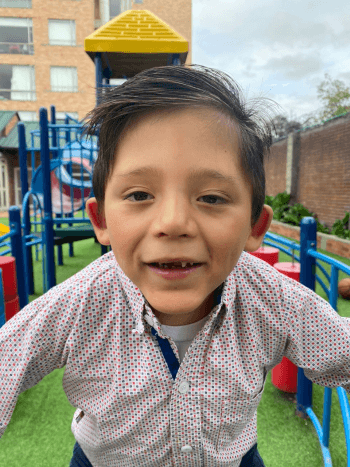
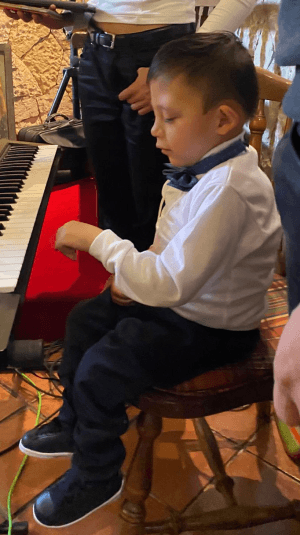
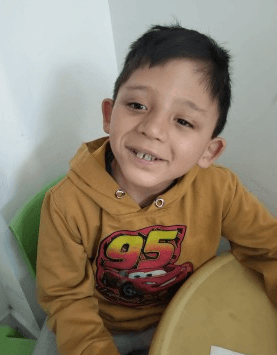
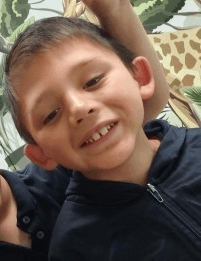
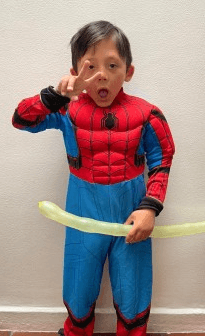
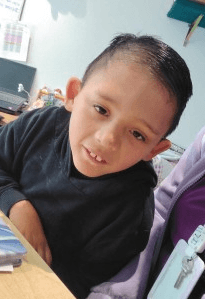
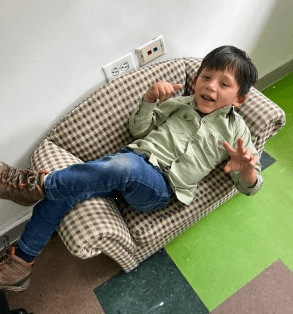
Delayed psychomotor development (associated with prematurity at 32 weeks, fetal distress, breech presentation)
The agency’s team met Elio in October of 2024, and they have additional information and videos!
Teressa #
Indy #
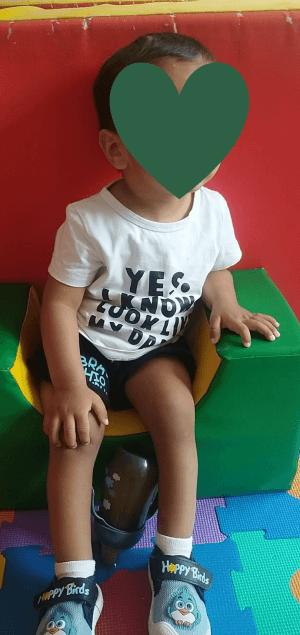
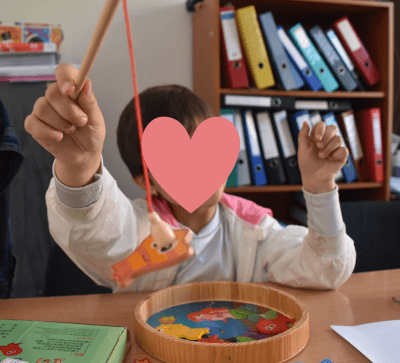
Indy has significant developmental delays related to his medical history, particularly in his motor, communication, and cognitive development. He is an active crawler and can sit independently. He is beginning to pull himself to stand while holding onto furniture and has taken a few supported steps. He continues to need assistance with many age-appropriate daily activities.
Indy does not yet use words or consistently follow simple instructions, but he babbles and enjoys sound-based play. He is curious about his surroundings and shows interest in people and his environment, although his attention span during play is often brief. He can be somewhat cautious with unfamiliar people but warms up when approached gently.
Indy has a significant history of hydrocephalus and has required multiple neurosurgical procedures, including shunt placement and revisions. He continues to require follow-up with pediatric neurology and neurosurgery and ongoing developmental support. His medical team has recommended precautions to protect him from head injuries and certain types of physical activity.
Indy would benefit from a patient, loving family who can provide a stable home, advocate for his medical needs, and support his continued developmental progress. His recent records show encouraging progress, and he is a little boy who enjoys connection, attention, and being included in the activities around him.
Mitch
Rita
Rita is good-humored, loves physical affection, and bonds easily with caregivers. She interacts well with other children, enjoys play, and imitates what interests her. Having experienced a disrupted adoption, she may carry unexpressed fears, but she continues to seek comfort and show affection, indicating strong potential to thrive in a loving, supportive family.
Jaeger
In December 2023, Jaeger was placed under a foster care protection measure. In August 2024, he transitioned from a foster family to a foster care center, where he continues to grow in a safe and supportive environment.
Jaeger has been diagnosed with Autism Spectrum Disorder and receives ongoing care from specialists in neuropediatrics, psychology, genetics, ophthalmology, and otolaryngology. He participates in weekly therapies including music therapy, speech therapy, occupational therapy, and psychomotor therapy. These interventions have led to significant progress, particularly in language development, daily living skills, and emotional growth.
While Jaeger is still developing motor skills appropriate for his age, he can walk, run, climb, and descend stairs. He continues to work on spatial awareness, movement imitation, and spatial orientation. He also experiences challenges with sleep rhythms, which are managed with medication.
Jaeger thrives in structured, predictable environments and benefits from consistent, loving care. His journey shows incredible strength, and he is ready to find a permanent family to support his growth, learning, and emotional development.
Danny and Daisy
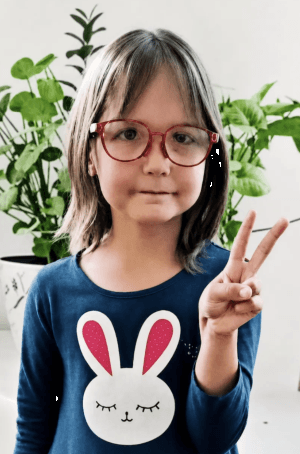
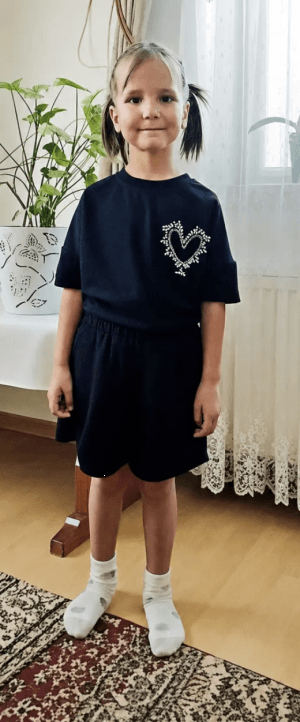
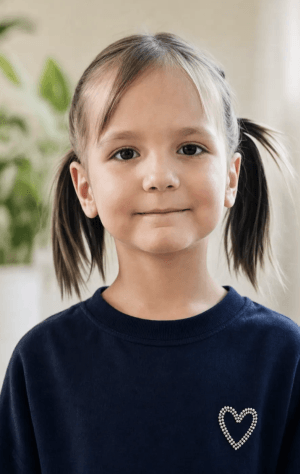
Daisy Diagnosis: flat/valgus feet, mild hypermetropia of the right eye, mild astigmatism of the left eye.
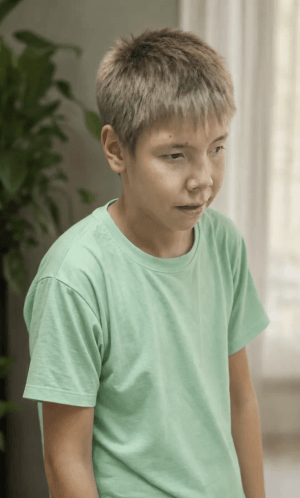
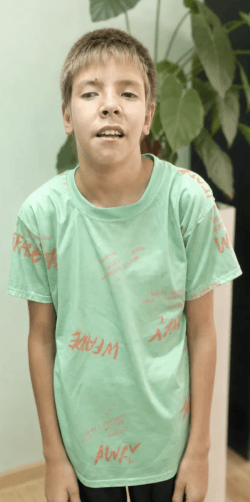
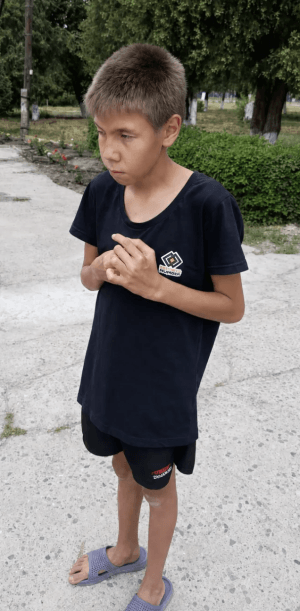
Danny is described as a friendly boy, likes attention. He tries very hard to do his best at school but his delays make it challenging.
Daisy is developmentally on target. She is a sweet and curious little girl, she loves interacting with kids and adults.
Fine motor skills are somewhat delayed, particularly in activities requiring manipulation of small objects—such as drawing, cutting, and gluing. In the cognitive domain, Daisy shows interest in the world around her. She can count to 10, knows the basic colors and geometric shapes, and distinguishes between animals and household items. She is able to assemble simple puzzles and play with construction sets. A mildly slowed pace of task completion is associated with motor difficulties. Daisy speaks in simple sentences, retells short stories, and learns poems and songs. She understands adult speech and follows instructions. Although she shows interest in other children, she struggles to follow the rules of group play.
Based on vision diagnostics, glasses were prescribed for permanent wear. A follow-up examination by an orthopedist led to the replacement of her shoes with more appropriate orthopedic footwear, selected based on her current condition and foot size.
Uma
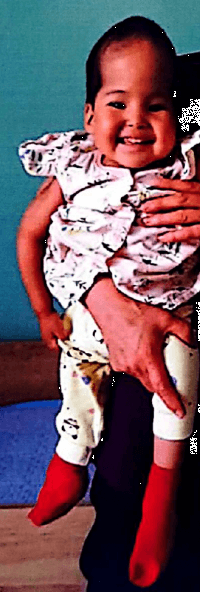
Despite her physical limitations, she is described as a warm, affectionate, socially engaged little girl who enjoys interacting with adults and peers, understands simple speech, and is beginning to use words herself.
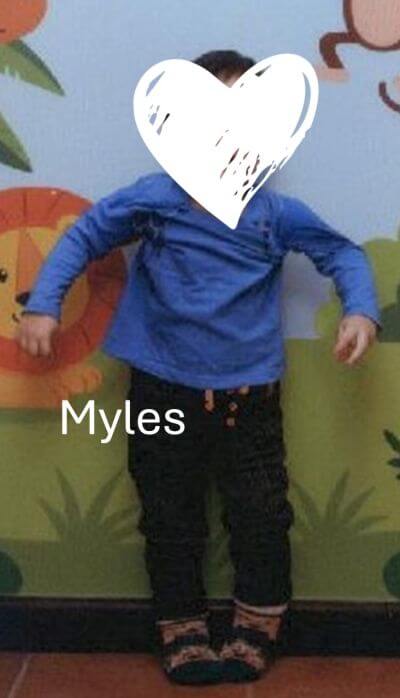
Myles #
Lily and Pia

Lily (6) is also described as friendly and one who likes to help others. She has delays in her fine motor skills, though improving, and her speech development. She is receiving therapy for both. Lily is a hyperactive child who has recently started taking medication and it seems to be helping, especially with her night movements which have included head banging which has significantly decreased. She lives to sing and dance as well as draw.
Pia (5) is described as a friendly, kind-hearted and playful child who expresses her emotions readily. However, while she shares her emotions readily, sometimes she has difficulty controlling her emotions and is in therapy to assist her with this—yet it is reported that temper tantrums are not frequent and she is able to regain emotional regulation quickly. She has age appropriate gross and fine motor skills as well as speech development. She loves to sing and dance.
The girls are listed for adoption together. Their older sister, Winnie, is also available for adoption (but separately). The agency is hoping to find two families, so the girls can maintain contact.
Sienna
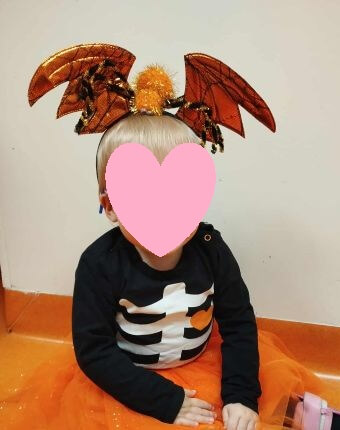
Sienna has a speech delay, although she has recently been eagerly repeating and saying words on her own. Some words are difficult to understand, but progress in speech development is evident. The girl also has difficulty understanding speech, but here too, progress is visible. She understands simple words, especially when they are supported by gestures. The girl can be engaged in a simple form of “dialogue” through play such as sharing toys. She is learning how to draw and eat independently using the spoon. She is able to pick up food cut into smaller pieces and put it in her mouth, although she does so slowly and uncertainly. She has difficulty biting off solid food and chewing it.
Sienna is a very cheerful and smiling child. She is speaking more and more – she can use many basic words, such as “give,” “more,” “come,” “yes,” “no,” “auntie,” and “hello.” She uses them in appropriate situations to express her needs and emotions. She recognizes various animals and can imitate most of their sounds.
Sienna to cuddle and read books. She participates enthusiastically in the group activities and enjoys walks. She responds to smiles, touch, and the voice of her caregivers. The girl has recently made significant progress in her emotional and social development. She is also able to initiate contact – she waves her hands in greeting, says “hello” in her own way, or responds with simple vocalizations. She is able to express her dissatisfaction, joy, or excitement and her progress is getting better and better in many areas.
Axton #
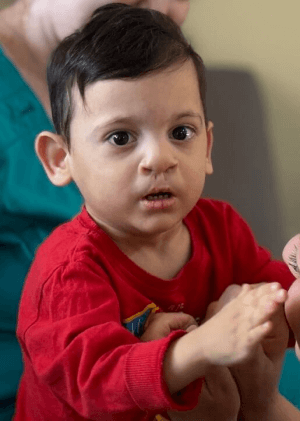
Axton moves around using a walker and is very active. He sits independently without support. His speech is in the process of development; he pronounces individual sounds and produces a variety of vocalizations.
Axton is cheerful and smiles often. He actively seeks the attention of adults and laughs out loud during playful interactions. He shows good adaptation to new environments and daily routines. Axton is calm and does not display self-aggressive behavior. He independently reaches for toys placed around him, taps them, and explores them with curiosity.
Axton is fed with a spoon by an adult while seated in a high chair. Efforts are being made to teach him to drink liquids from a cup. He falls asleep in a crib, and his sleep is calm.
Angelina
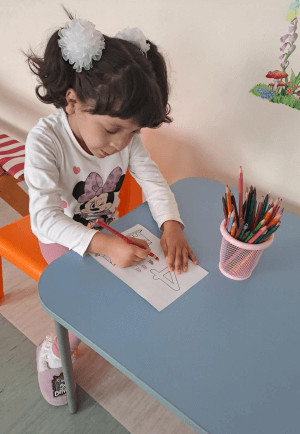
She has been diagnosed with a rare syndrome characterized by tall stature and congenital facial differences. While these differences may be noticeable, they do not define who she is.
Since being placed in a loving foster family, her story has already begun to change. She has shown accelerated growth, improved neuropsychological development, and her physical development is age-appropriate. She is in good general health and does not require ongoing medical treatment at this time, aside from her speech delay, related to her congenital anomalies.
But here’s the part that matters most: she is making real progress. She forms 3-word sentences, asks questions, uses polite expressions, initiates communication, and loves role-play and interaction. With consistent speech therapy, her potential continues to grow.
Gannon #

Other mixed disorders of behavior and emotions. Disorder in psychological development, unspecified. Moderate cognitive delay, without mention of behavioral disorder
Lexi

Holly

Holly is a cheerful, lovely, friendly and cheeky 5-year-old girl who lights up her surroundings as a true superstar. She loves people and her medical staff adores her, often gifting her beautiful clothes. She treasures relationships as she can easily remember faces after just two meetings. Holly is learning to use alternative and augmentative communication (AAC) with the help of a tablet, where she can tap to select people she wants to see (picture available). During the social worker’s child visit, she even used gestures to request adding the worker’s face to her tablet even though it was her first-time meeting her. Despite her many medical needs, this child has shown the ability to learn and engage with her with a variety of engagement types. She is a funny girl who makes people smile with her bright personality. A picture is available of her making funny faces when the social worker was taking her pictures for the child study.
Holly is diagnosed with incomplete DiGeorge syndrome, bilateral vocal cord palsy, oropharyngeal dysphagia, gastroesophageal reflux disease (GERD), Methicillin-resistant Staphylococcus aureus (MRSA), scoliosis, global developmental delay and exotropia. She is on tracheostomy and percutaneous endoscopic gastrostomy (PEG) feeding. She has remained hospitalized since birth for her medical needs even though she is medically stable now. To learn more about DiGeorge Syndrome, visit the Mayo Clinic’s syndrome page here: DiGeorge syndrome (22q11.2 deletion syndrome) – Symptoms and causes – Mayo Clinic
As mentioned, despite Holly’s significant medical needs, she has made remarkable progress in her development over the past year. She can follow simple instructions, point to familiar objects, and use tools after observing her teacher’s demonstrations. Holly shows interest and joy while learning various play skills and can imitate appropriate play behaviors with prompting and encouragement. She consistently communicates her needs using gestures and she also has great eye contact. Additionally, she can sit independently, take a few steps without assistance, self-propel her wheelchair for short distances, and manage tasks like eating and dressing on her own. She enjoys watching cartoons and listening to music.
Despite having a tracheostomy, Holly does not require ventilator support. However, in the event of tracheostomy dislodgement, there is a risk of hypoxia and immediate tracheostomy reinsertion is necessary. She needs to be accompanied by a trained caregiver at all times. Holly has been assessed as medically fit for home care. The doctor has recommended that Holly requires a well-trained and attentive caregiver who can provide vigilant around-the-clock care, and the caregiver would need to be proficient in special care skills, including managing tracheostomy emergencies.
Holly has made great strides in the past half year and we strongly believe she will continue to make great progress in reaching her potential within a loving and fun family.
Due to the country’s matching process, families with an approved home study for any country are able to request consideration to be Holly’s parents. If matched, the family would then need to quickly update their home study and gather the dossier for the country.
Bella

Bella receives occupational therapy which has helped her be able to scribble with crayons, feed herself, open food containers and snack packages, etc. While she does not speak, she is able to make her needs and wants known through gestures facial expressions, vocalizations, and also through picture cards. She knows a few signs as well such as “thank you.” Due to Bella’s multiple diagnoses, she requires assistance with her daily living activities though she is able to take part in her care.
Bella was born exposed to and addicted to drugs. Following her birth, she was diagnosed with cerebral palsy characterized by dyskinesia and spastic quadriplegia, microcephaly, strabismus, global developmental delay, and severe intellectual disability. In 2017, she was also diagnosed with Autism Spectrum Disorder (ASD).
It is clear that Bella has established a bond with her caregivers and she enjoys their presence. She greets her teachers and plays clapping games with them. She is able to pay attention during lessons and has demonstrated the ability to learn. While she will always need a caregiver, it is believed that being in a loving family will help Bella continue to develop and grow in her abilities. She enjoys playing on a sit-n-spin, swinging or playing on a see-saw. She is drawn to mirrors and toys with lights and/or music.



